

Mushroom Head Antenna vs Patch Antenna: Sourcing Guide
When designing RF systems for UAVs, IoT networks, or GNSS tracking, selecting the right physical form factor is just as critical as tuning the frequency. For hardware integrators, the debate between a mushroom head antenna vs patch antenna defines the reliability of the final product.
Both are highly effective components, but their radiation patterns and physical enclosures serve entirely different operational environments. Here is the engineering breakdown.
1. Radiation Pattern: Omni vs. Directional
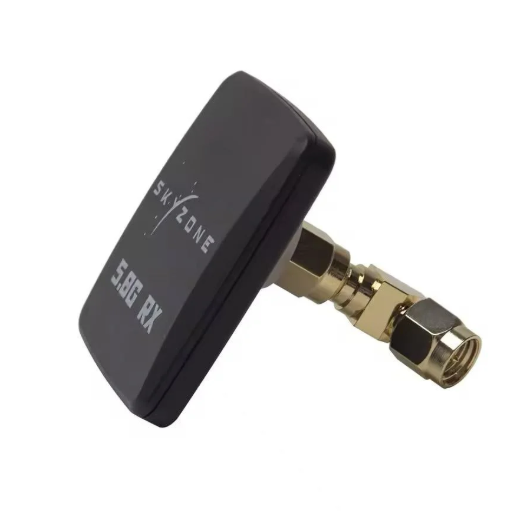
The fundamental difference lies in how they shape RF energy. A patch antenna is highly directional. It concentrates its signal into a focused beam directly in front of the flat ceramic or PCB element. This makes it perfect for fixed point-to-point links (like a wall-mounted RFID reader or a ground control station) where you need high gain punching in one specific direction.
A mushroom head antenna, typically housing a cloverleaf, quadrifilar helix, or stacked ceramic array, provides a broad, omnidirectional or hemispherical pattern. If you are tracking a moving target—like a drone banking in the sky or an autonomous tractor traversing a field—the mushroom antenna guarantees a locked signal regardless of the vehicle's orientation.
2. Environmental Durability
A naked patch antenna is fragile. When integrated, it must be hidden inside a device's plastic housing. If exposed to water, its dielectric constant shifts, immediately destroying its tuning and phase center.
The "mushroom" is a heavily engineered, IP67-rated radome. Ultrasonically welded from UV-resistant polycarbonate or ABS, its aerodynamic curve naturally sheds rain, snow, and dust. This makes it the mandatory choice for exposed outdoor base stations and marine applications.
3. Which Should You Spec?
-
Choose the Patch: If your device is stationary, indoor, or requires a flat, embedded form factor with focused directional gain.
-
Choose the Mushroom Head: If you need 360-degree mobile coverage, circular polarization, and absolute weatherproof reliability.
Need Custom RF Hardware? We manufacture both high-gain patch antennas and rugged IP67-rated mushroom head antennas for global B2B integrators. Tell our engineering team your required frequencies and applications for factory-direct wholesale pricing.