

When satellite visibility drops, agricultural hardware integrators must upgrade to a high gain mushroom head GNSS antenna. Here is why this specific component is mandatory for autonomous farming equipment.
1. Foliage Penetration and LNA Power
Tree canopies and crop foliage act like a wet blanket for microwave signals. A standard 15dB antenna will instantly lose its RTK fix when an autonomous tractor drives under a dense orchard row.
A high-gain antenna solves this by utilizing a heavy-duty Low Noise Amplifier (LNA) pushing 30dB to 33dB+ of gain. This massive amplification drags the heavily attenuated, weak satellite signals out of the noise floor. When paired with multi-band tracking (L1/L2/L5), it allows your agricultural drone to maintain centimeter-level accuracy even when half the sky is blocked by leaves.
2. Chemical Resistance of the Radome
Agricultural environments are highly corrosive. A crop-spraying UAV is constantly bathed in harsh fertilizers, pesticides, and morning dew.
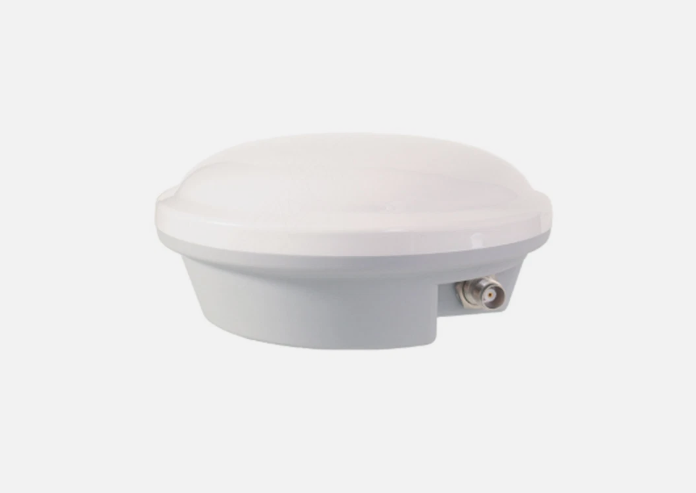
Standard consumer plastic antennas will yellow, crack, and fail chemically within months. The industrial "mushroom" radome is molded from UV-stabilized, chemical-resistant Polycarbonate or ABS. Ultrasonically sealed to an IP67 rating, it prevents highly conductive liquid fertilizers from seeping onto the internal ceramic stack and causing an immediate electrical short.
3. High-Torque Engine Vibration
Diesel tractors and heavy-lift agricultural drones generate severe, low-frequency vibrations. High-gain mushroom antennas designed for this sector use rigid epoxy potting to lock the internal LNA and SAW filters in place. This prevents the microscopic solder joints from shattering during heavy plowing or high-speed aerial maneuvers.
Need Heavy-Duty Agricultural GNSS Hardware? We manufacture rugged, high gain mushroom head GNSS antennas for crop-spraying UAV fleets and autonomous tractor integrators. [Contact Our RF Factory for B2B Wholesale Pricing]