

In today's world of ubiquitous wireless communication, the antenna serves as a critical component for signal transmission, directly impacting the connection stability and efficiency of your device. Faced with a wide array of antenna types on the market, many people wonder: How to choose the right antenna for your device? This article provides a clear selection guide from both technical and practical perspectives.
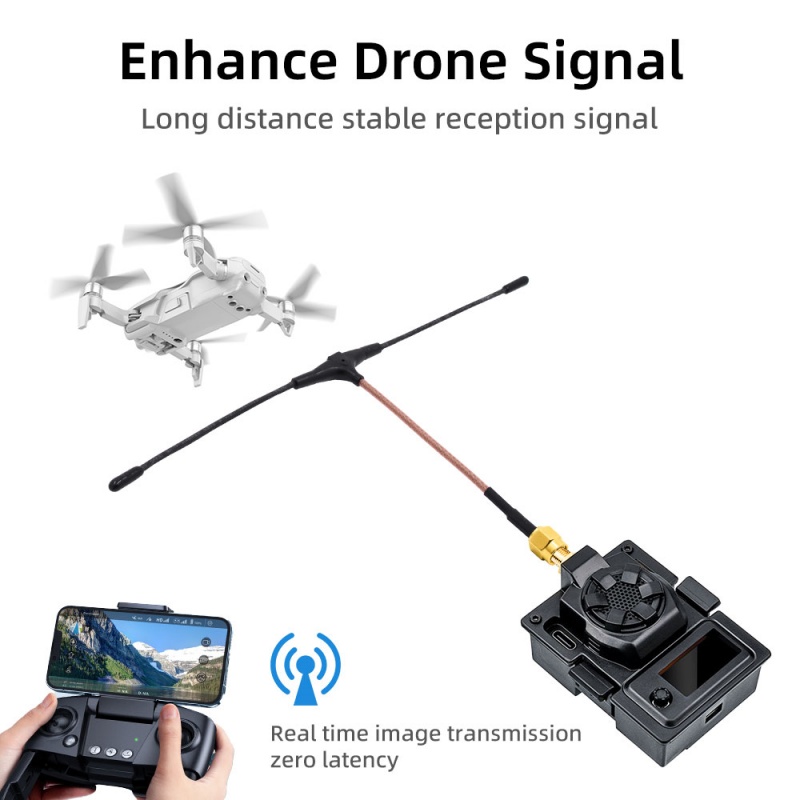
Step 1: Identify Device Interface and Protocol
Before selecting an antenna, first determine which wireless protocol your device supports (Wi-Fi 6, 4G, 5G, LoRa, Bluetooth, etc.) and its physical interface type. Common interfaces include SMA, RP-SMA, IPEX, and N-Type. If the interface does not match, the antenna cannot be installed.

Step 2: Determine the Operating Frequency Band
Step 3: Choose Antenna Type Based on Environment
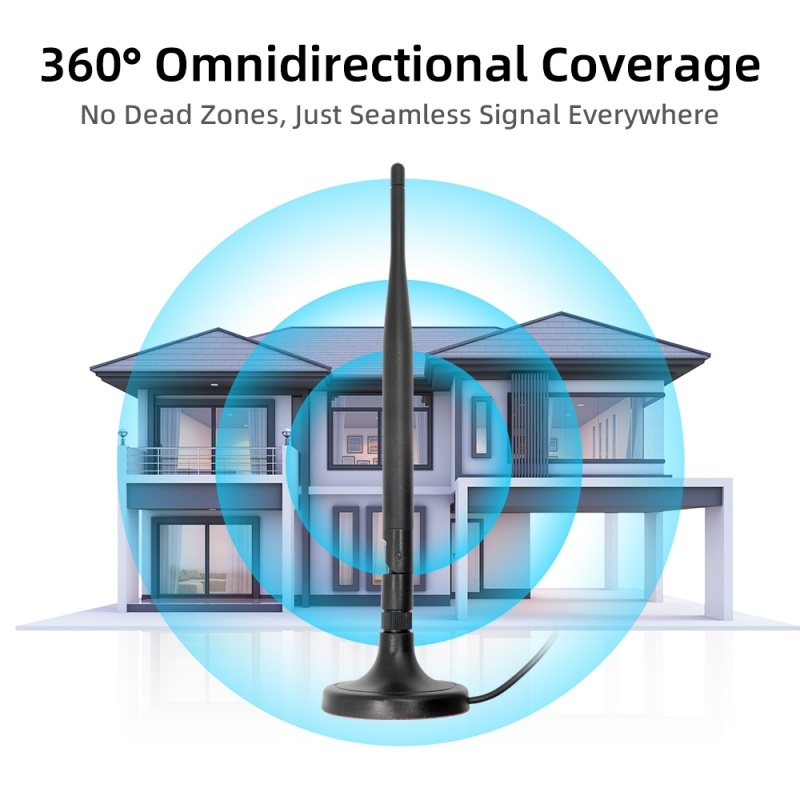
Indoor antennas are usually compact with aesthetic designs, such as omnidirectional antennas commonly used in routers to provide 360-degree signal coverage.
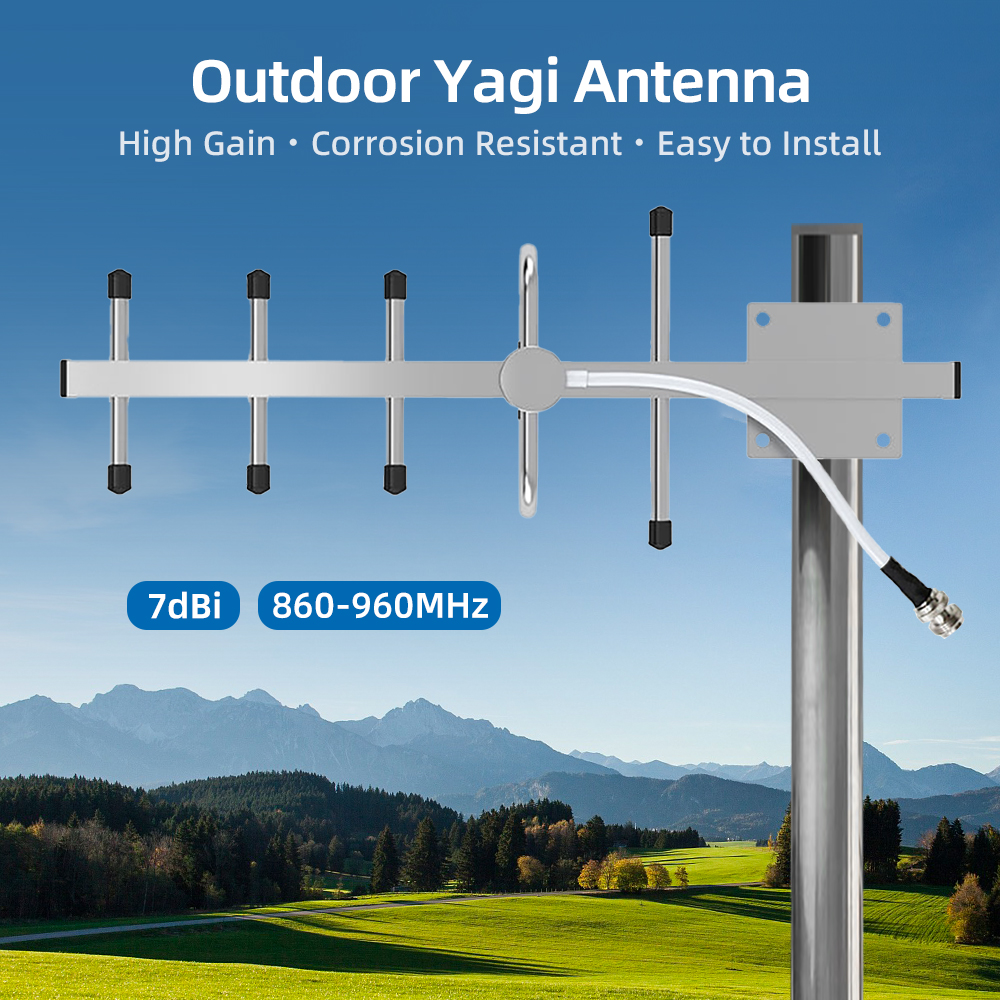
Outdoor antennas need to be waterproof, dustproof, and UV-resistant. If your device is installed outdoors, you must choose an outdoor antenna with a weatherproof housing.
Omnidirectional vs. Directional
Omnidirectional antennas are suitable for mobile devices or scenarios requiring signals in all directions, such as home Wi-Fi.
Directional antennas are ideal for point-to-point transmission, like bridging two buildings. They focus the signal in one direction for longer transmission distances.
Step 4: Pay Attention to Antenna Gain
Antenna gain is a measure of the antenna's ability to amplify signals, measured in dBi. Higher gain means longer transmission distance but a narrower beamwidth. High-gain antennas are suitable for long-distance transmission, while low-gain antennas are better for short-range, multi-angle coverage.
Step 5: Consider Polarization
Antenna polarization is usually divided into vertical polarization and horizontal polarization. For optimal communication, the polarization of the transmitting and receiving antennas should match. If one is vertically polarized and the other is horizontally polarized, signal loss will be significant.
Summary
How to choose the right antenna for your device? In summary, follow these four steps:
-
Check the Interface: Ensure physical connectivity.
-
Check the Frequency Band: Ensure frequency matching.
-
Check the Environment: Choose indoor/outdoor, omnidirectional/directional.
-
Check the Gain: Choose based on the required coverage distance.