

In wireless devices, the antenna is far from being a mere ornament; it determines signal quality, stability, and whether coverage reaches the specific areas you desire. Today, we’ll discuss the differences between internal and external antennas to help you decide which option is best suited for your needs. The insights shared below are derived directly from the practical experience of our engineers.
What are built-in antennas and external antennas? What are the respective advantages and disadvantages of each? We have put together a brief summary.
1.External Antenna
What is an external antenna?
Simply put, it's an antenna that extends from the outside of a device.
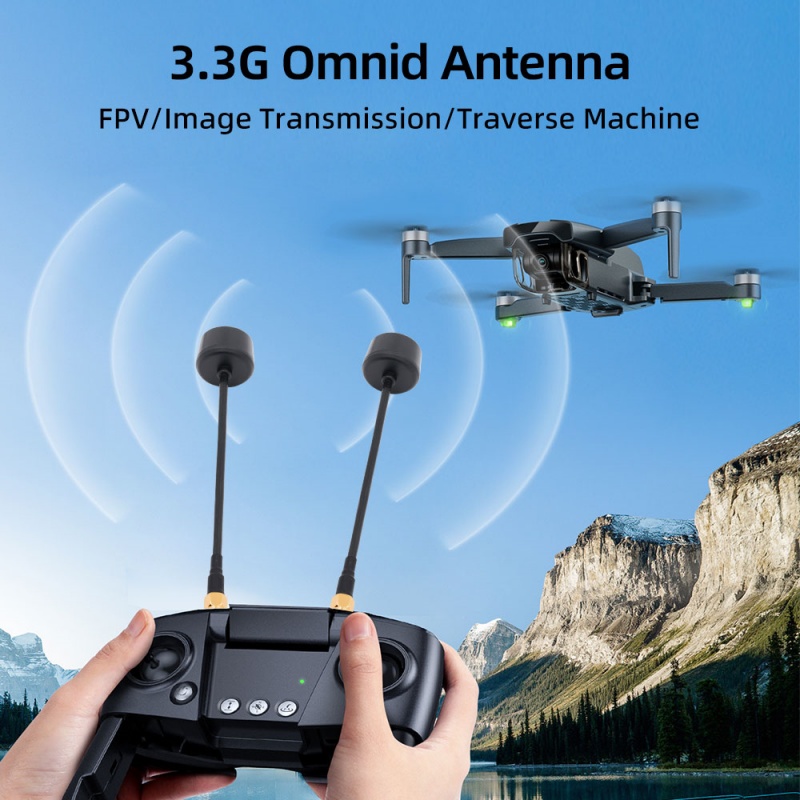
Advantages:
Stronger Signal: High antenna gain provides wider signal coverage.
Adjustable Direction: You can aim the signal precisely where you need it.
Easy Upgrades: It is simple to swap in a better antenna in the future.
Disadvantages:
Bulky: Takes up space and may not be aesthetically pleasing.
Fragile: Protrudes outward, making it prone to breaking if bumped.
Installation is Slightly More Complex: Requires the use of RF cables and connectors.
Applicable Scenarios:
Factory Automation, Smart Sensing, Industrial Gateways
Outdoor Security & Surveillance
In-Vehicle Communication & Positioning Equipment
Smart Home
Drones & Anti-Drone Equipment
2.Built‑in Antenna
What is a built-in antenna?
It is an antenna that is hidden directly inside the device, so you cannot see it from the outside.

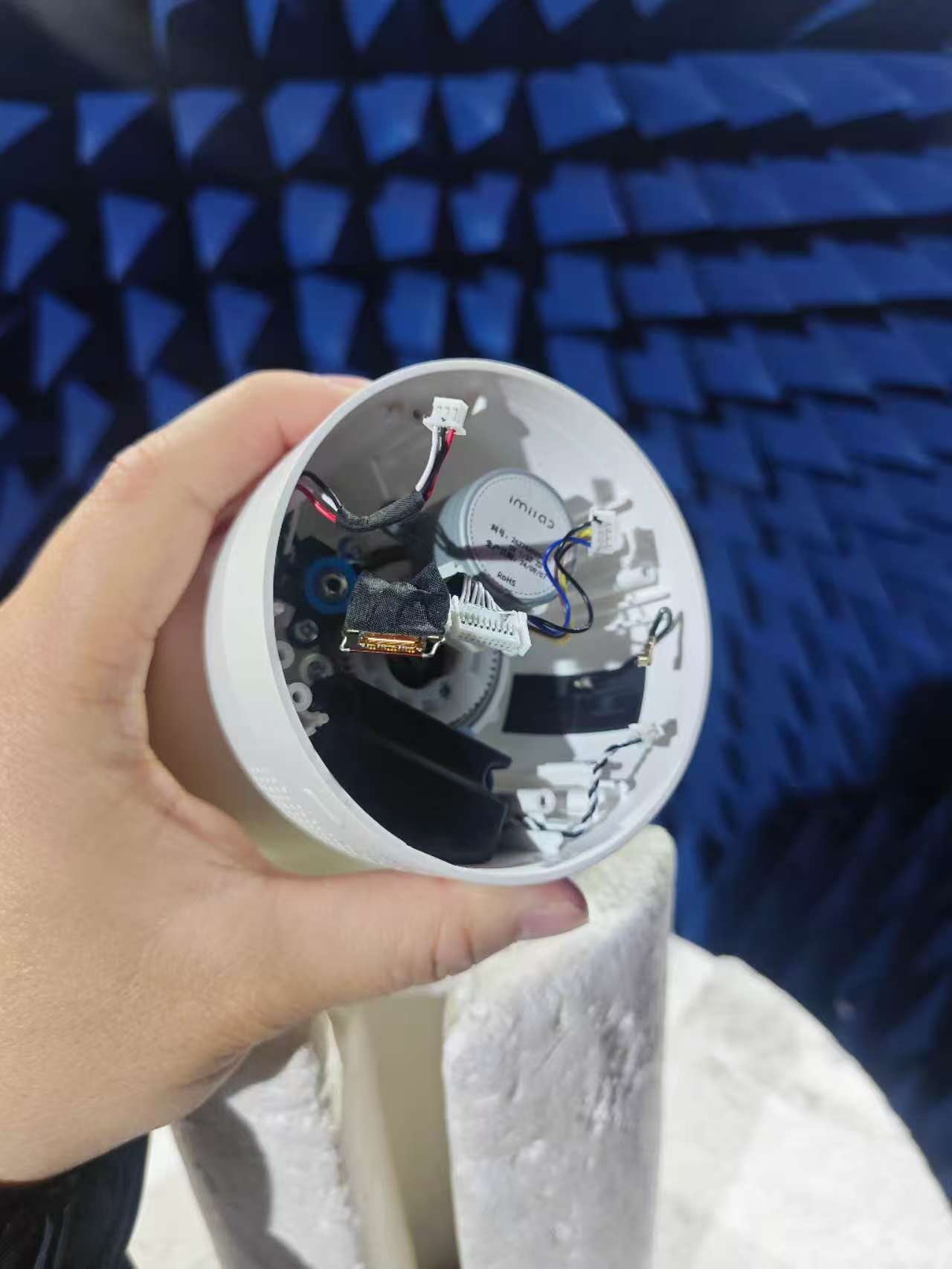
Advantages:
Clean Aesthetics: No protruding antennas, resulting in a sleek and minimalist appearance.
Durable: Concealed internally, making it resistant to physical impact.
Compact and Lightweight: Ideal for small, portable devices such as smartwatches and Bluetooth earbuds.
Disadvantages:
Potentially Average Signal Performance: Limited internal space means antenna power is typically lower than that of external antennas.
Susceptible to Interference: Metal casings or internal structural components may attenuate the signal.
Applicable Scenarios:
Wearable devices (smartwatches, smart bands, Bluetooth earphones, etc.)
Handheld terminals, portable detectors
Indoor temperature and humidity sensors, door and window sensors
Smart sockets, smart switches, mini smart lighting fixtures
Tablets, mini speakers, wireless remote controllers
3.Common Built-in and External Antennas
We have compiled a list of commonly used external and Built‑in Antennas.
3.1 Built‑in Antennas
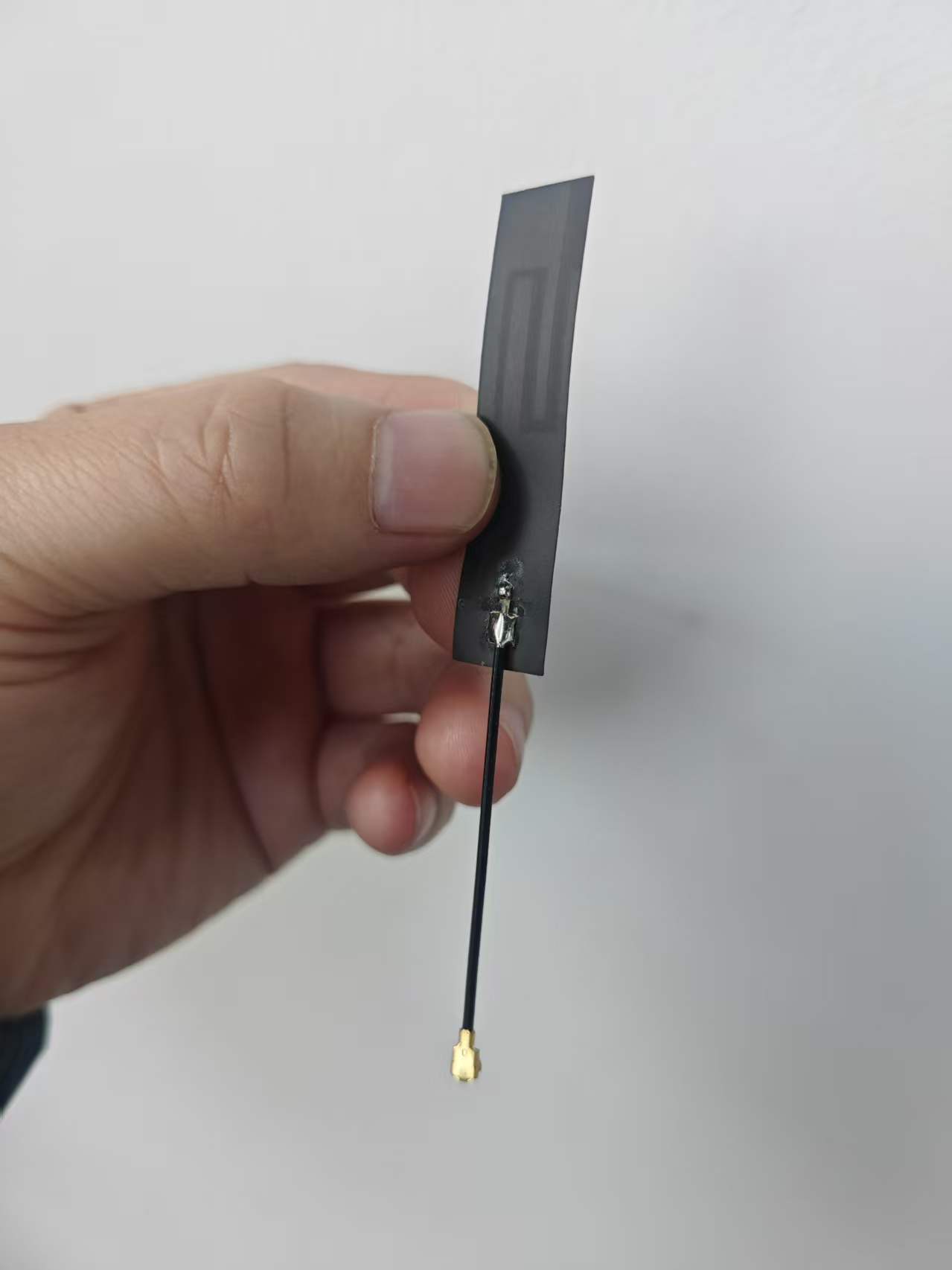
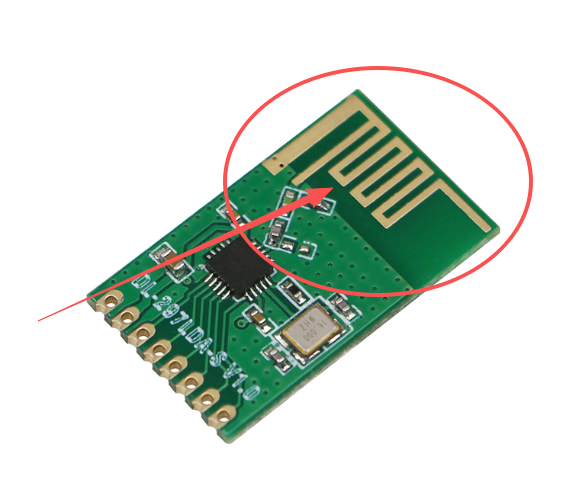
PCB On-board Antenna: Directly etched onto the circuit board; it offers low cost and is highly cost-effective for large-volume applications.
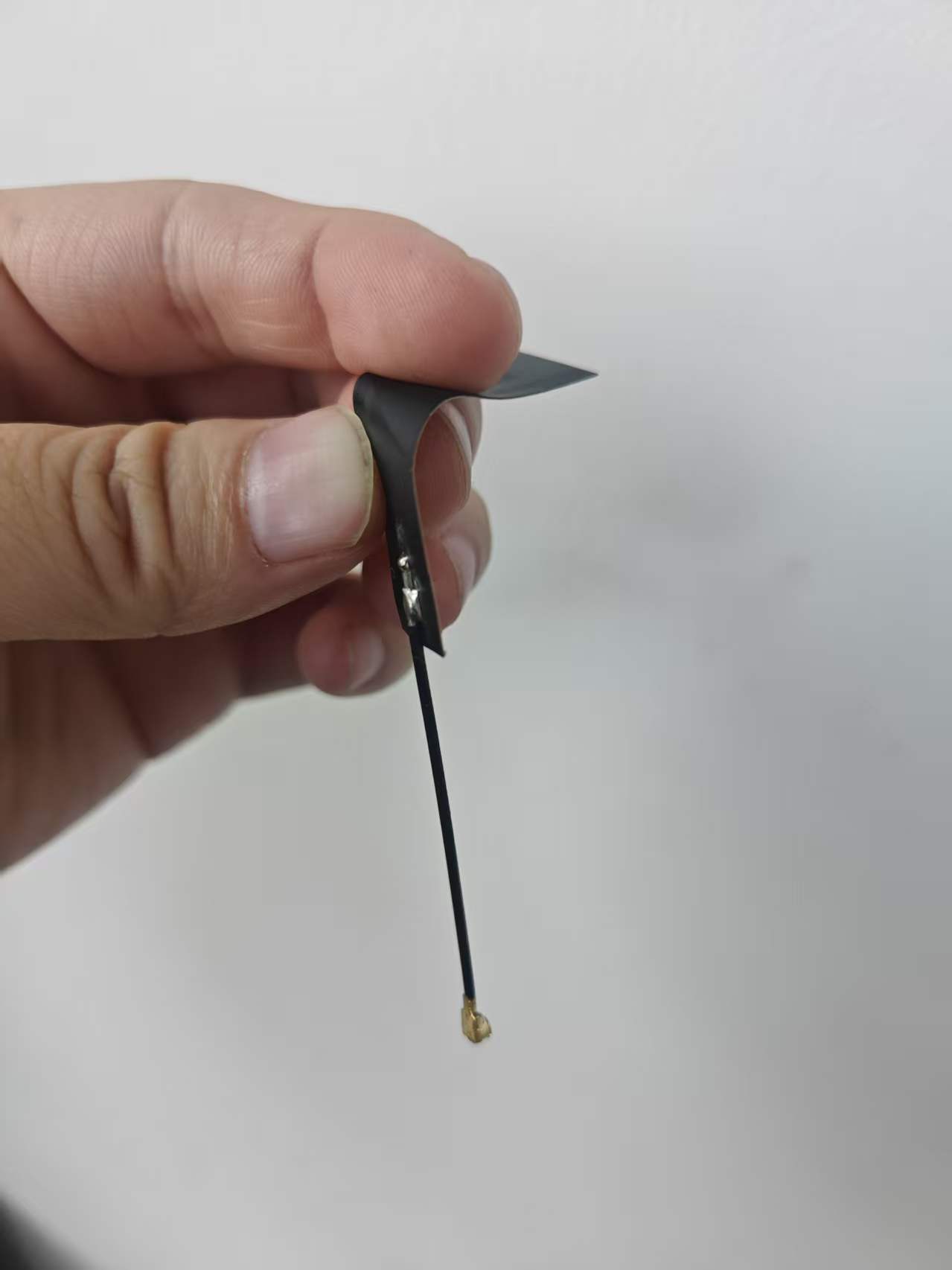
FPC Antenna (Flexible Printed Circuit Antenna): It is bendable and can be mounted on the inner wall of the housing or next to the battery.
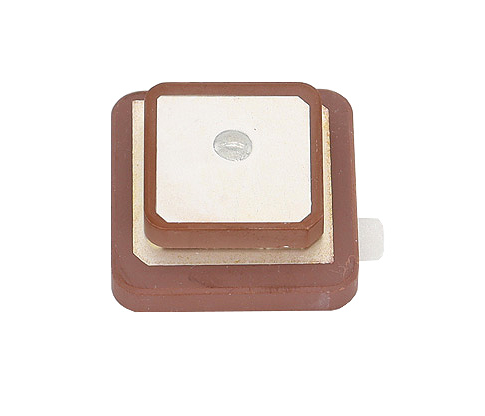
Ceramic Patch Antenna: Occupies very little space and is widely used in GPS applications.

3.2 External Antennas
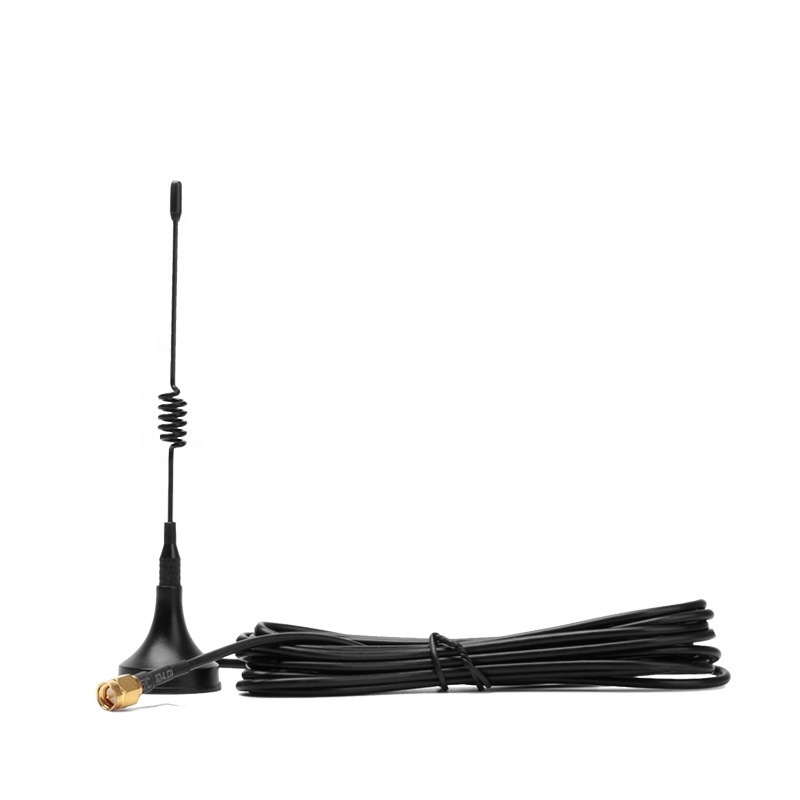
Suction-Mount Antenna:Features a strong magnetic base that allows it to be directly attached to a metal enclosure; commonly used in self-service vending machines.
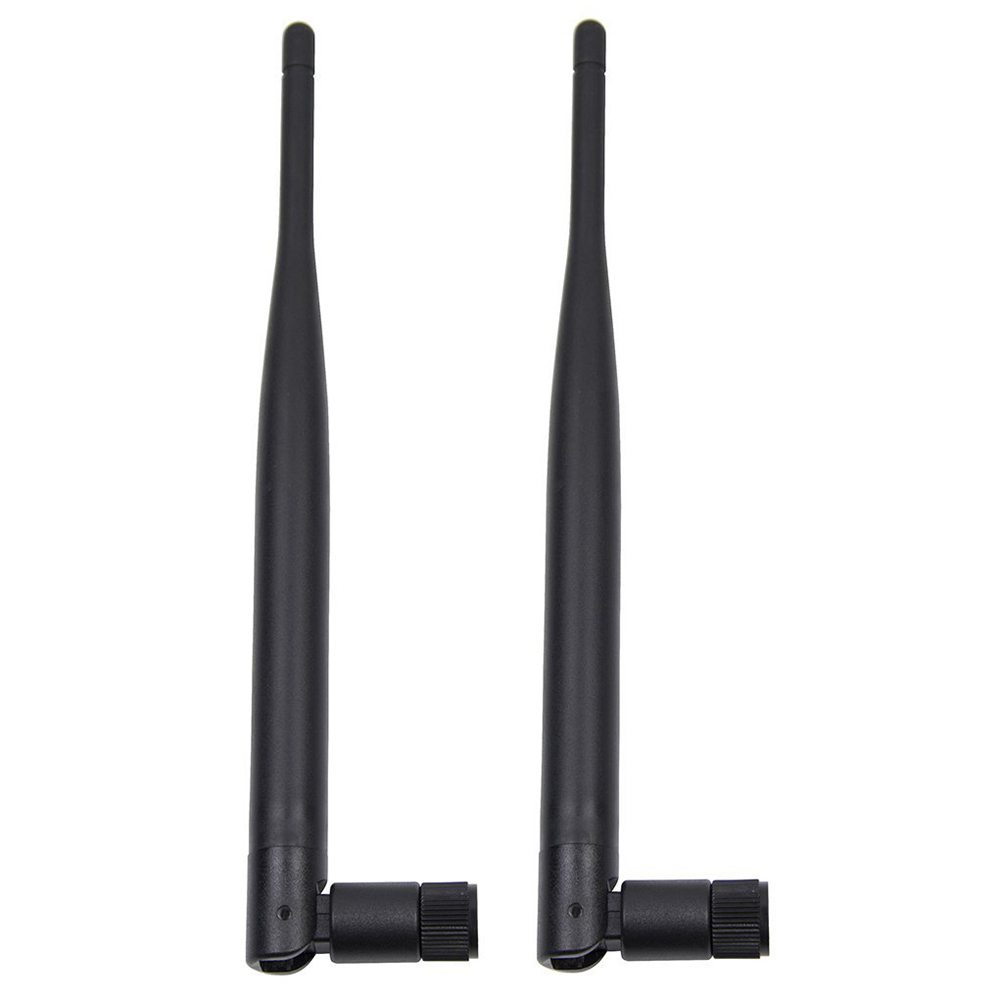
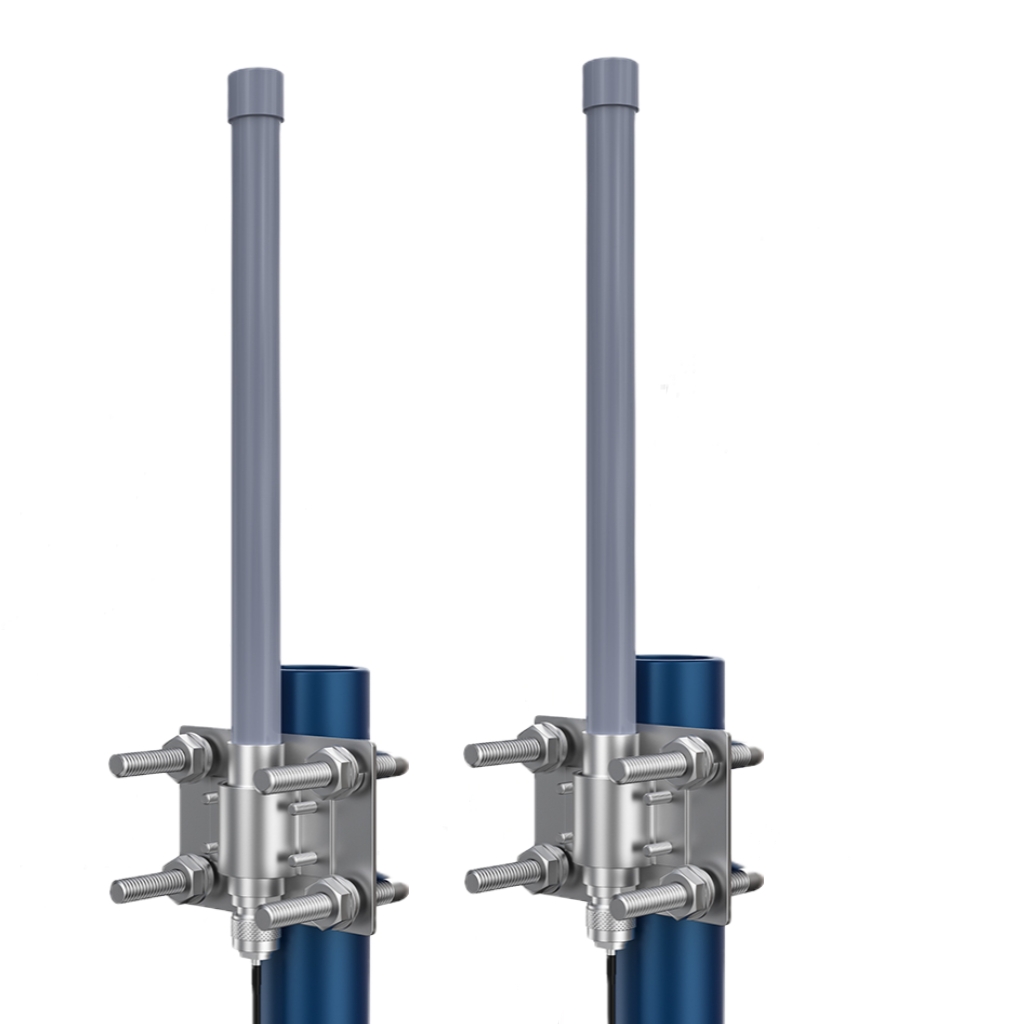
Fiberglass Antenna:Waterproof, UV-resistant, corrosion-resistant, and high-temperature resistant, featuring high gain (5–15 dBi) and suitable for long-term outdoor use.
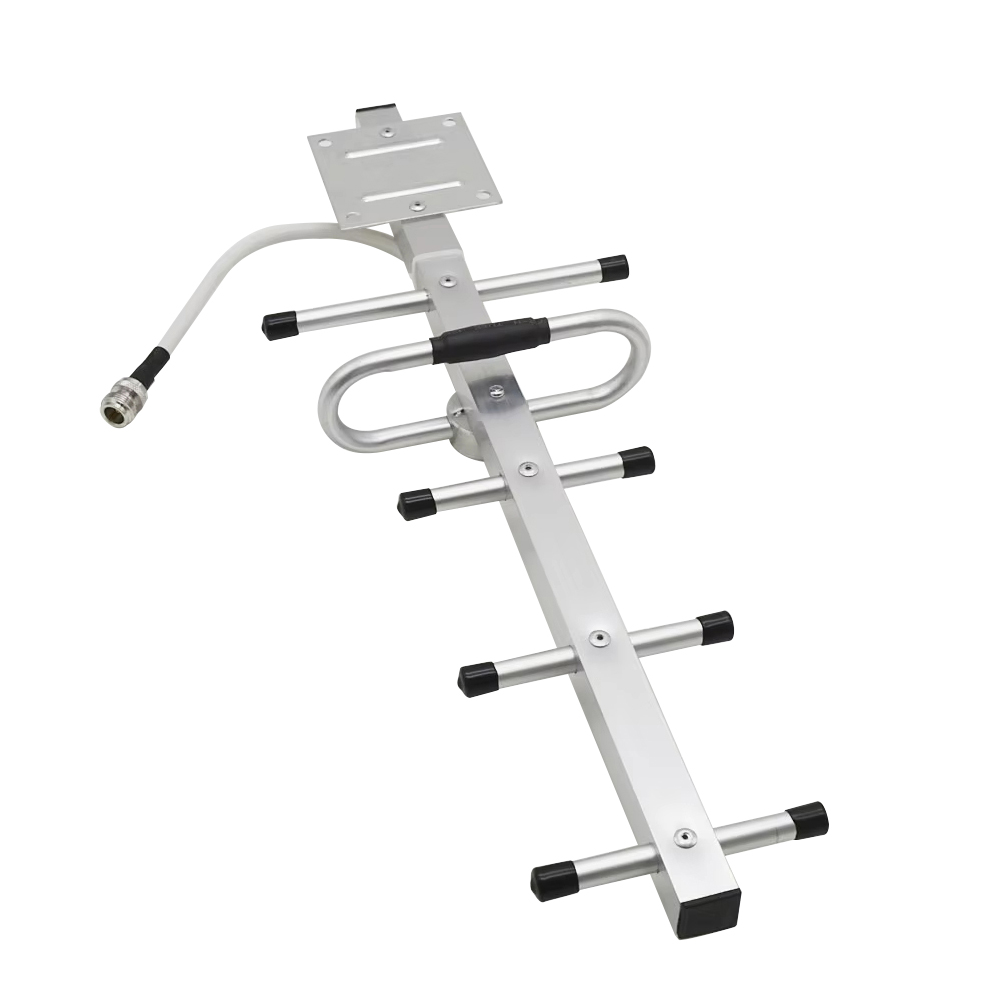
Log-Periodic / Yagi Antenna:Highly directional, high gain (8–20 dBi), and simple in structure—suitable for long-distance reception.
4.So How Do You Actually Choose?
Based on the practical experience of our antenna engineers, we recommend that you follow the steps below to select an antenna.
4.1 Equipment Appearance Requirements
For small consumer electronics such as smartwatches and Bluetooth earbuds, opting for built-in antennas results in a cleaner aesthetic.
4.2 It depends on your performance requirements
If antenna performance is a priority, an external antenna is the preferred choice. External antennas generally offer higher gain than internal antennas; however, if performance requirements are not particularly demanding, an internal antenna is recommended.
4.3 It depends on your installation environment
If the device needs to be installed outdoors at an elevated location, an external antenna is recommended. In such scenarios, where aesthetic concerns are not an issue, opting for a high-gain external antenna allows the signal to reach a greater distance. For indoor environments, a built-in antenna is sufficient.
5.Summary
There’s no absolute “best,” only what fits you.
Choose built‑in antennas when you need a clean exterior, modest performance, and high‑volume manufacturing. Choose external antennas when you need stable performance, long range, and the ability to iterate later.
We hope this article helps you avoid unnecessary detours when selecting an antenna. If you are truly unsure how to make the right choice, please feel free to contact us; Yingshun Communication Technology Co., Ltd. is here to provide you with professional, one-stop customization services.

Author: Wang Xu (Yingshun Communications Engineer)
Date: May 12, 2026