

Smart electricity and water meters have emerged as core components of smart cities and smart energy systems, relying on wireless communication to facilitate remote meter reading, data uploading, anomaly alerts, and remote control.
The antenna is a critical component that determines both signal stability and battery longevity. Manufacturers, procurement specialists, and engineers frequently ask: Which specific type of antenna should be used for smart electricity and water meters? How can one make the right choice while avoiding common pitfalls?
Drawing upon our extensive practical design experience, this article clearly elucidates the selection logic, common types, and applicable scenarios for smart meter antennas. Our aim is to help you quickly identify the optimal solution—making this guide an invaluable resource for both international clients and engineering teams involved in component selection.
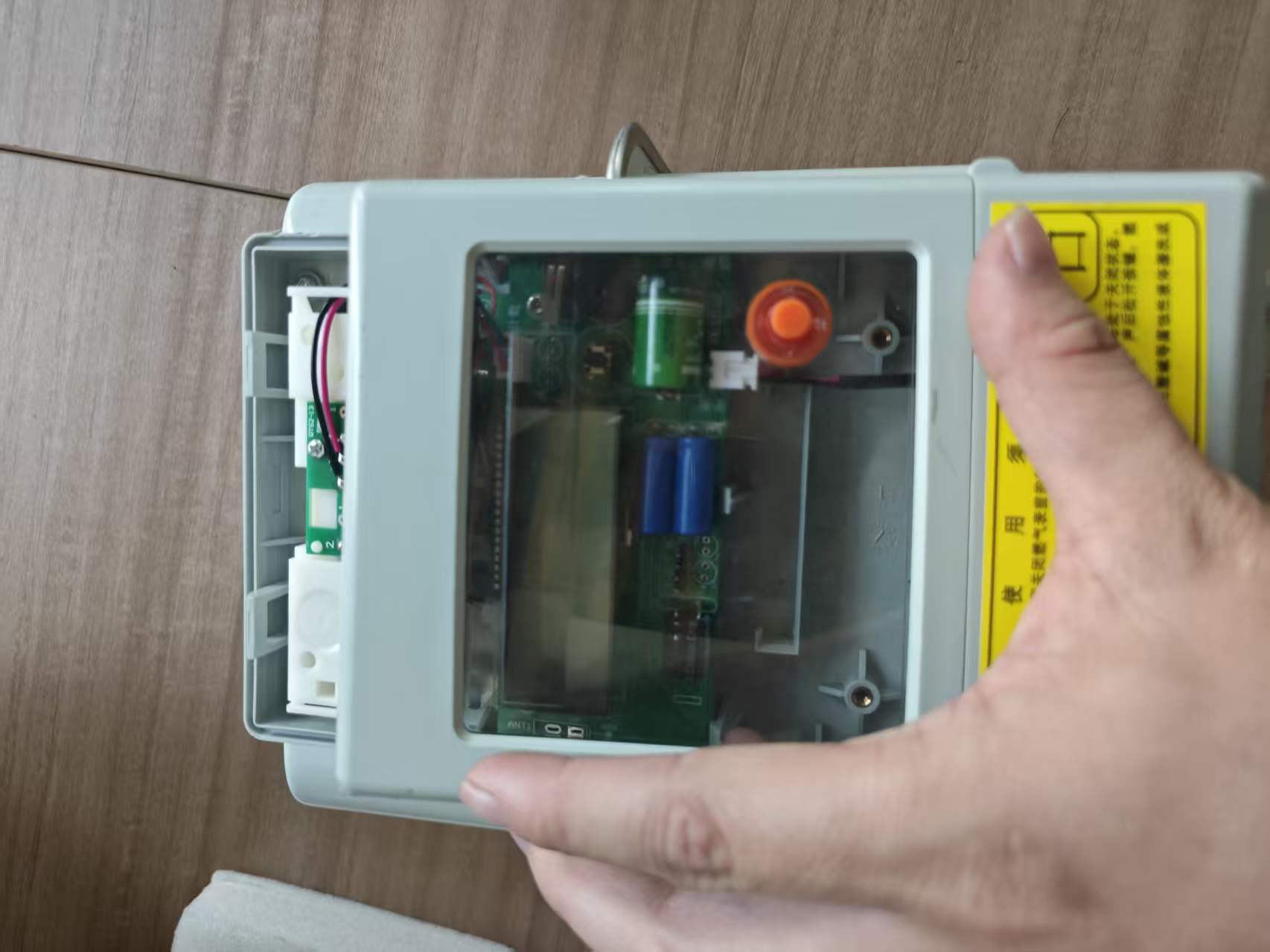
1. What Special Requirements Do Smart Meters Have for Antennas?
Smart electricity and water meters are typically installed in extremely harsh environments, and the requirements for their antennas exhibit several distinct characteristics.
1.1 Low power consumption
Most water, electricity, and gas meters are battery-powered. To ensure that these IoT metering devices operate continuously without human intervention, their antennas must possess high transmission efficiency, thereby minimizing power consumption.
1.2 Strong Penetration
Smart electricity meters are typically installed within distribution shafts in building corridors, where standard Wi-Fi signals exhibit very poor penetration capabilities; smart water meters, conversely, are generally housed beneath manhole covers. Consequently, the antennas for these smart meters require signals capable of penetrating multiple layers of flooring.
1.3 Long‑term reliability
Once installed, smart electricity or water meters typically remain in place for a decade—or even several decades—without replacement. Consequently, their antennas must possess key attributes such as water and moisture resistance, interference immunity, tolerance to extreme temperatures, and a long operational lifespan.
1.4 The antenna size must be small
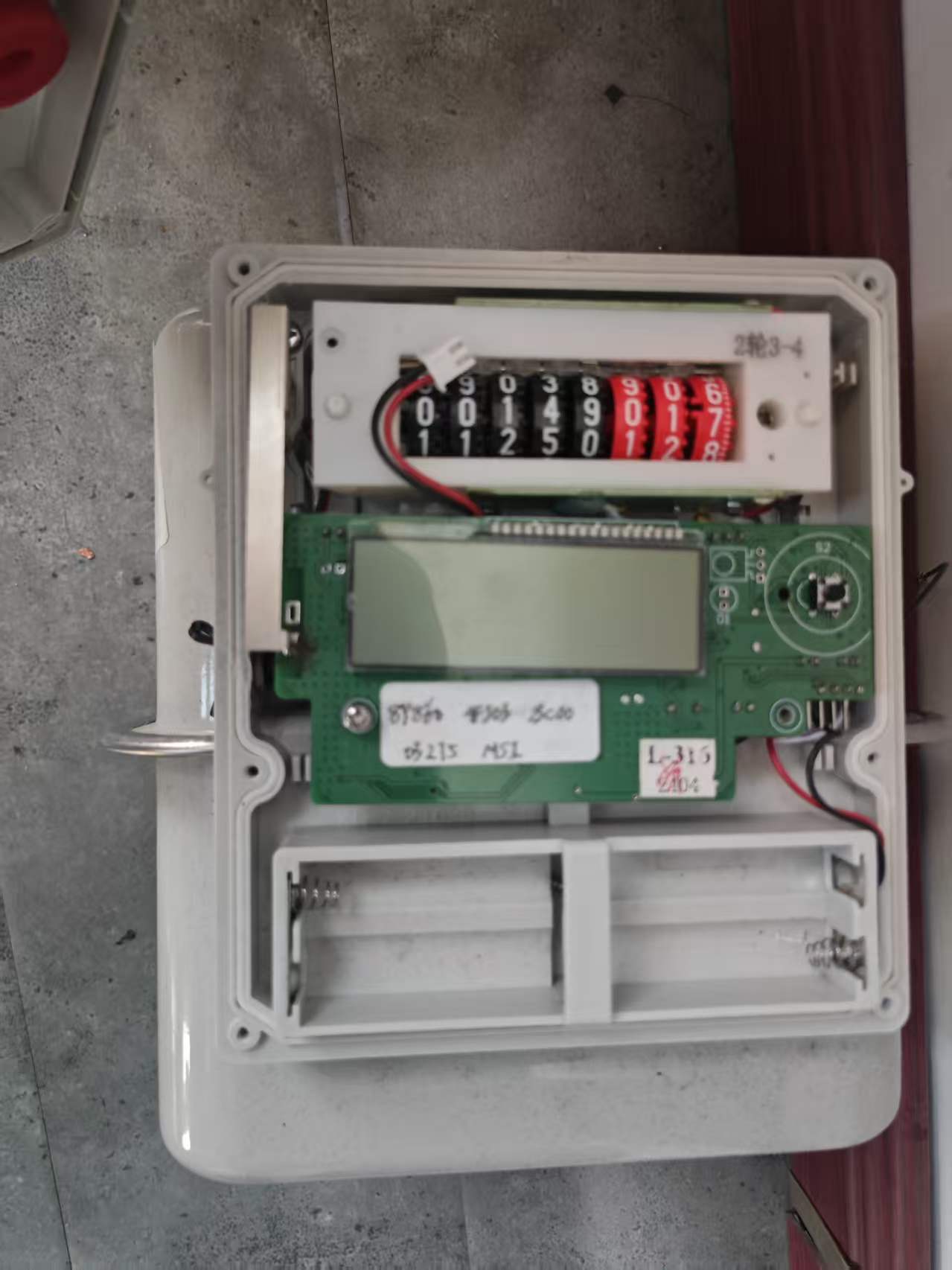
The internal space within smart electricity or water meters is extremely limited. As these meters house components such as batteries, valves, and chips, the space available for antenna installation is often restricted to just a few cubic centimeters.
2.Common Antenna Types for Smart Electricity, Water, and Gas Meters
Based on our engineers' design experience, smart meter antennas generally fall into two categories: internal antennas (installed inside the meter casing) and external antennas (installed outside the meter casing). I will now discuss the advantages of each type, as well as their respective application scenarios.
Built-in antenna
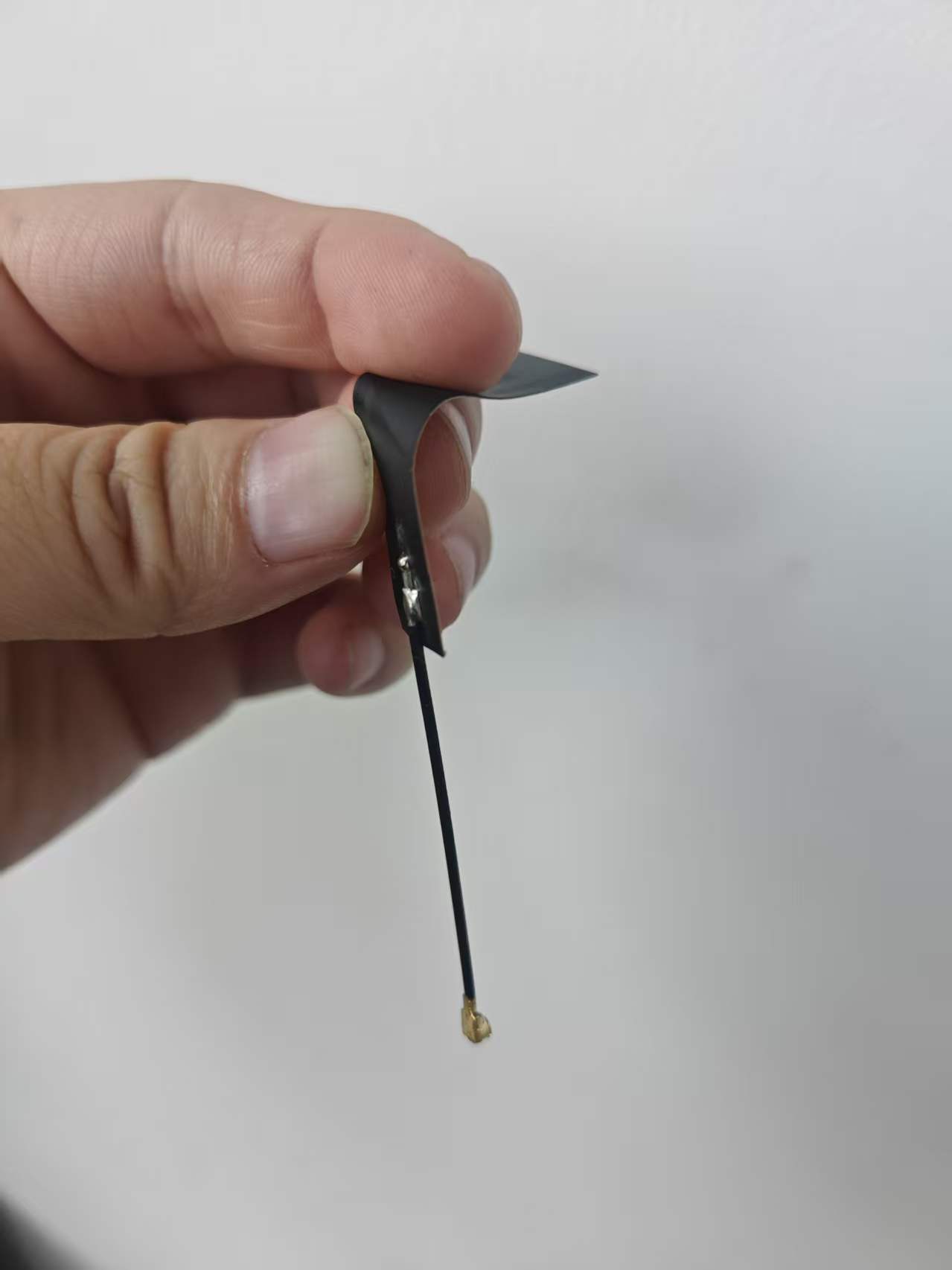
2.1 FPC Flexible Antenna (The Most Mainstream)
Advantages: Can be affixed to the inner wall of the casing or irregular surfaces; space-saving; low cost; stable signal.
Application Scenarios: Devices with irregular internal layouts where placement next to the battery or on the inner casing wall is required.
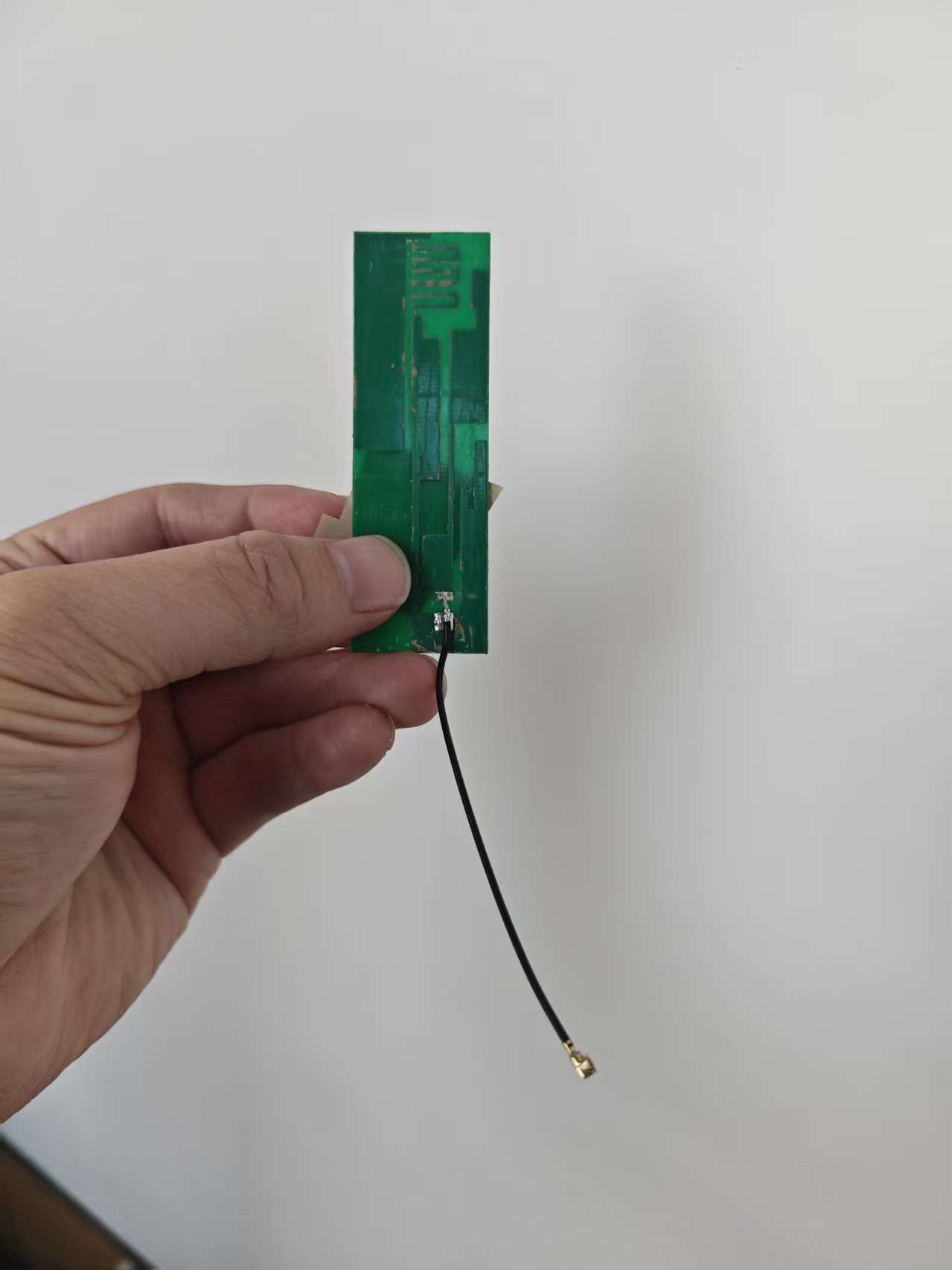
2.2 PCB Antenna
Advantages: Extremely low cost; integrated directly into the motherboard, requiring no additional soldering.
Application Scenarios: Devices with modest performance requirements and extreme cost sensitivity.
2.3 Ceramic Chip Antenna
Advantages: Compact footprint, high efficiency, strong interference immunity.
Applications: High-end smart water meters; suitable for products with extremely limited internal space and stringent stability requirements.
2.4 Spring / Metal Strip Antenna
Advantages: Low cost; simple tuning and impedance matching.
Applications:Devices with relatively low performance requirements.
External Antenna
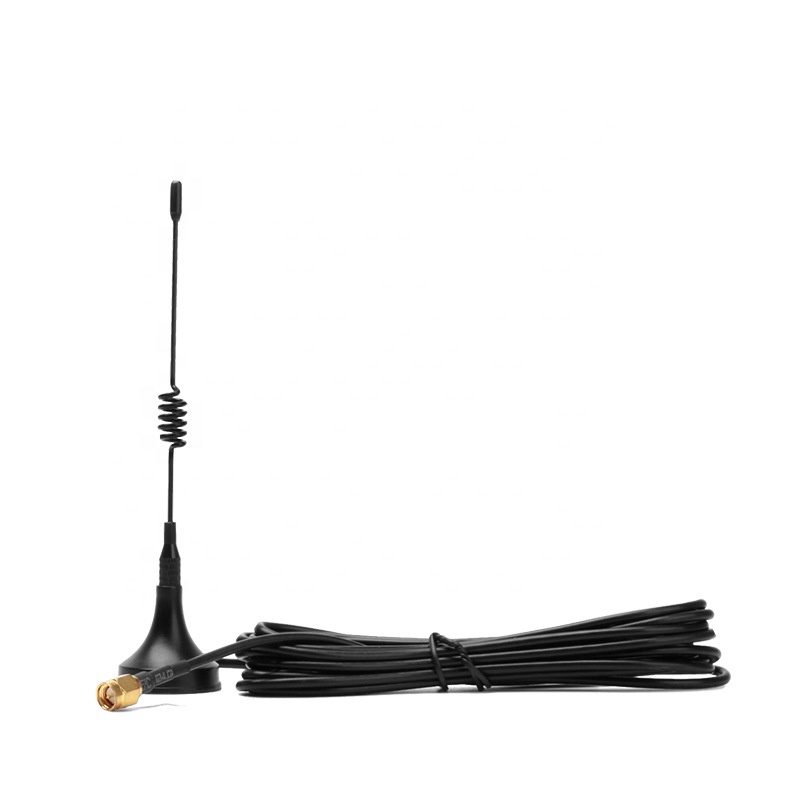
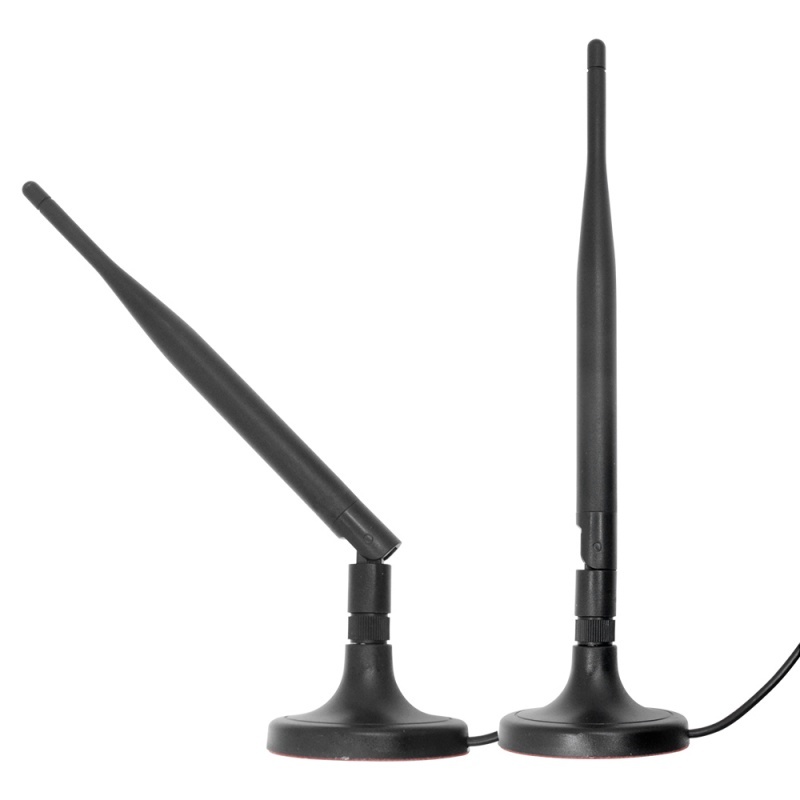
2.5 External Rubber Stick / Suction Cup Antenna
Advantages: Strongest Signal, Easiest Installation.
Applications:Suitable for severely shielded environments, such as basements or metal meter boxes.
3.Which Antenna for Which Wireless Technology?
3.1 NB‑IoT
NB-IoT is currently the preferred choice for smart metering in major cities. It operates within carrier-licensed frequency bands (e.g., 800/850/900/1800 MHz).
3.2 LoRa
LoRa utilizes unlicensed frequency bands (868 MHz in Europe and 915 MHz in North America); it offers a long transmission range (reaching several kilometers in open terrain) and extremely low power consumption.
3.3 4G
The primary advantage of 4G-enabled metering devices is their excellent real-time performance; much like mobile phones, they remain continuously online, making them well-suited for applications requiring high-frequency data reporting. However, their power consumption and data usage costs are higher than those of NB-IoT and LoRa technologies; consequently, they are predominantly deployed in devices with a continuous power supply, such as electricity meters. 4G antennas are typically multi-band broadband antennas covering the 700–2600 MHz range, and they frequently take the form of external rod-style antennas.
4.Possible issues that may be encountered
If your electricity/water meter encounters a signal loss situation, based on our actual experience, it may be caused by the following situations:
In many cases, the signal difference is not a problem with the antenna itself, but rather a design flaw during installation.
4.1 Metal shielding effect
Metal meter boxes can severely attenuate signals. Solution: Place the antenna away from the metal wall or use an external antenna, such as a Magnetic Mount Antenna, to lead outside the box.
4.2 Layout interference
Avoid placing high-power power lines or other interference sources within 3-5mm around the antenna to prevent electromagnetic interference.
5.Conclusion
There is no good or bad distinction between various types of antennas, which need to be determined based on coverage area, power consumption, and budget: NB IoT is used in cities, and LoRa self built networks are chosen in rural areas; Real time demanding services such as electricity meters can be connected to 4G.
If the installation environment is on a regular floor, the signal is good, and the cost is sensitive, PCB antennas can be used; If the internal space is irregular but requires better signal, FPC antenna can be chosen.
If installed in basements, all metal meter boxes, or remote rural areas, do not hesitate to install an external rod antenna.
About Us: Your Antenna Customization Expert
Yingshun Communication Technology Co., Ltd. has over 10 years of experience in the antenna industry, providing OEM/ODM services for smart meter antennas to global customers. Our advantages include:
Full Protocol Support: Supports customized development for all mainstream communication frequency bands such as 4G, NB IoT, LoRa, etc.
One Stop Service: We provide full technical support from project evaluation (providing free antenna selection suggestions) to mass production delivery (supporting bulk orders).
Contact Us Now: If you are looking for a reliable antenna supplier for a smart meter project, please feel free to send us your specifications or samples, and we will provide you with professional antenna customization services.
Author: Wang Xu (Yingshun Communications Engineer)
Date: May 8, 2026