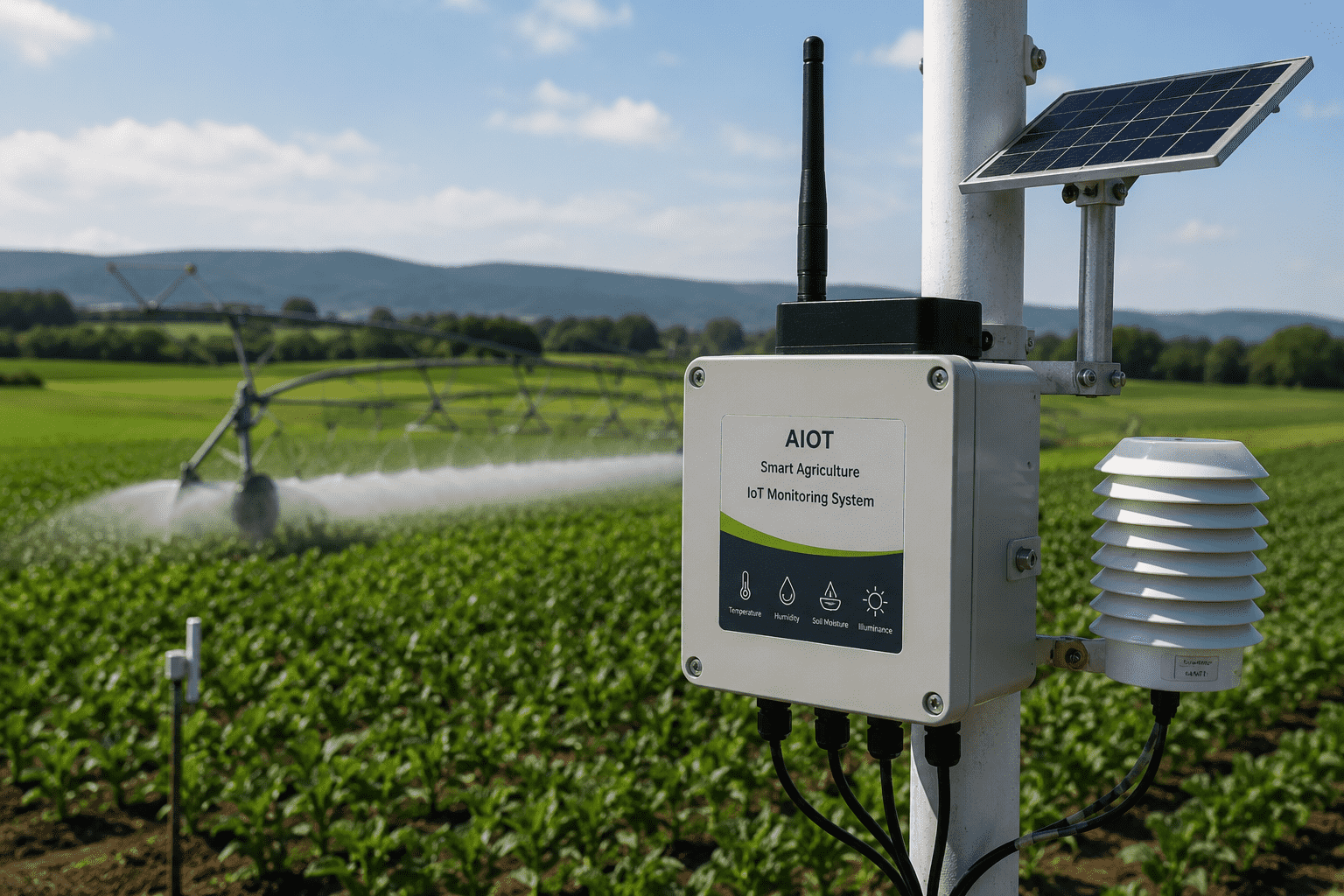
Why Antenna Selection Matters
When developing an IoT device, engineers often focus on processors, sensors, and communication modules. However, antenna selection is equally important because it directly affects wireless performance, transmission distance, and product reliability.
Choosing the wrong antenna can lead to unstable connections, failed certifications, and costly redesigns. Selecting the right built-in antenna early in the design process helps reduce development risks while improving overall product performance.
Key Factors to Consider
A built-in antenna should never be selected based on size alone. Several technical factors determine whether an antenna will perform well inside a device.
Operating Frequency
The antenna must support the communication protocol used in the product, such as:
Wi-Fi
Bluetooth
Zigbee
LoRa
LTE
5G
GNSS
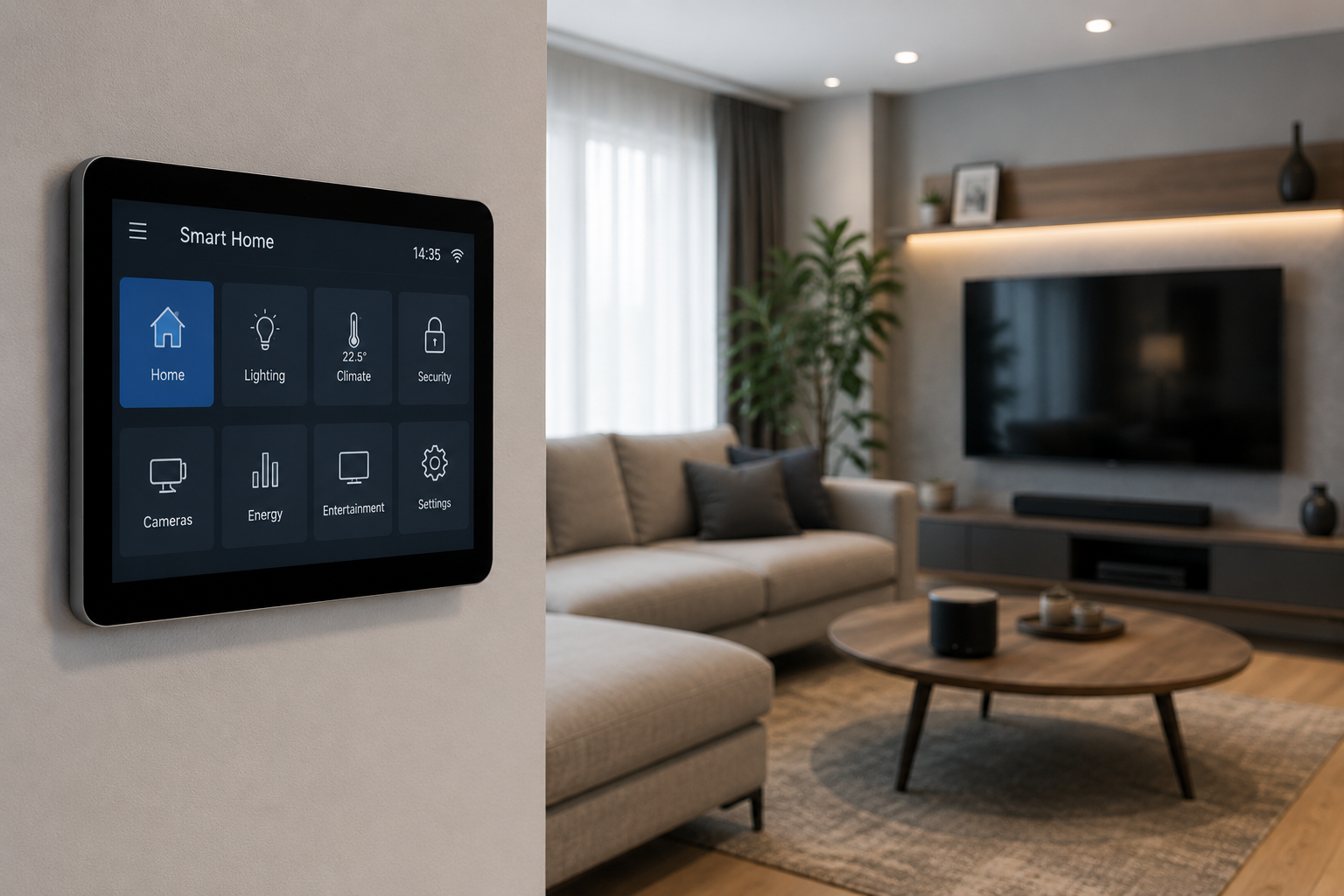
Smart home controllers, intelligent lighting systems, and home security devices increasingly rely on compact built-in antennas to provide stable wireless connectivity while maintaining sleek industrial designs.
A full-band antenna offers greater flexibility for supporting multiple wireless standards in a single product.
Available PCB Space
Compact IoT devices often have limited internal space.
The antenna location, ground clearance, and surrounding components all influence radiation efficiency.
A well-planned PCB layout helps achieve stronger and more stable wireless signals.
Product Housing Materials
Plastic, metal, and composite enclosures affect antenna performance differently.
Metal housings may reduce signal strength if antenna placement is not optimized.
Early RF simulation helps engineers avoid unexpected performance issues during testing.
Built-in Antenna vs External Antenna
Many manufacturers compare internal and external antenna solutions before finalizing product designs.
Built-in Antenna External Antenna
Compact design Larger footprint
Better product appearance, visible outside the device
Lower assembly cost Easier replacement
Higher integration is better for long-range applications
Ideal for IoT devices, suitable for outdoor equipment
For smart consumer electronics and industrial IoT products, built-in antennas are increasingly becoming the preferred solution.
Typical Applications
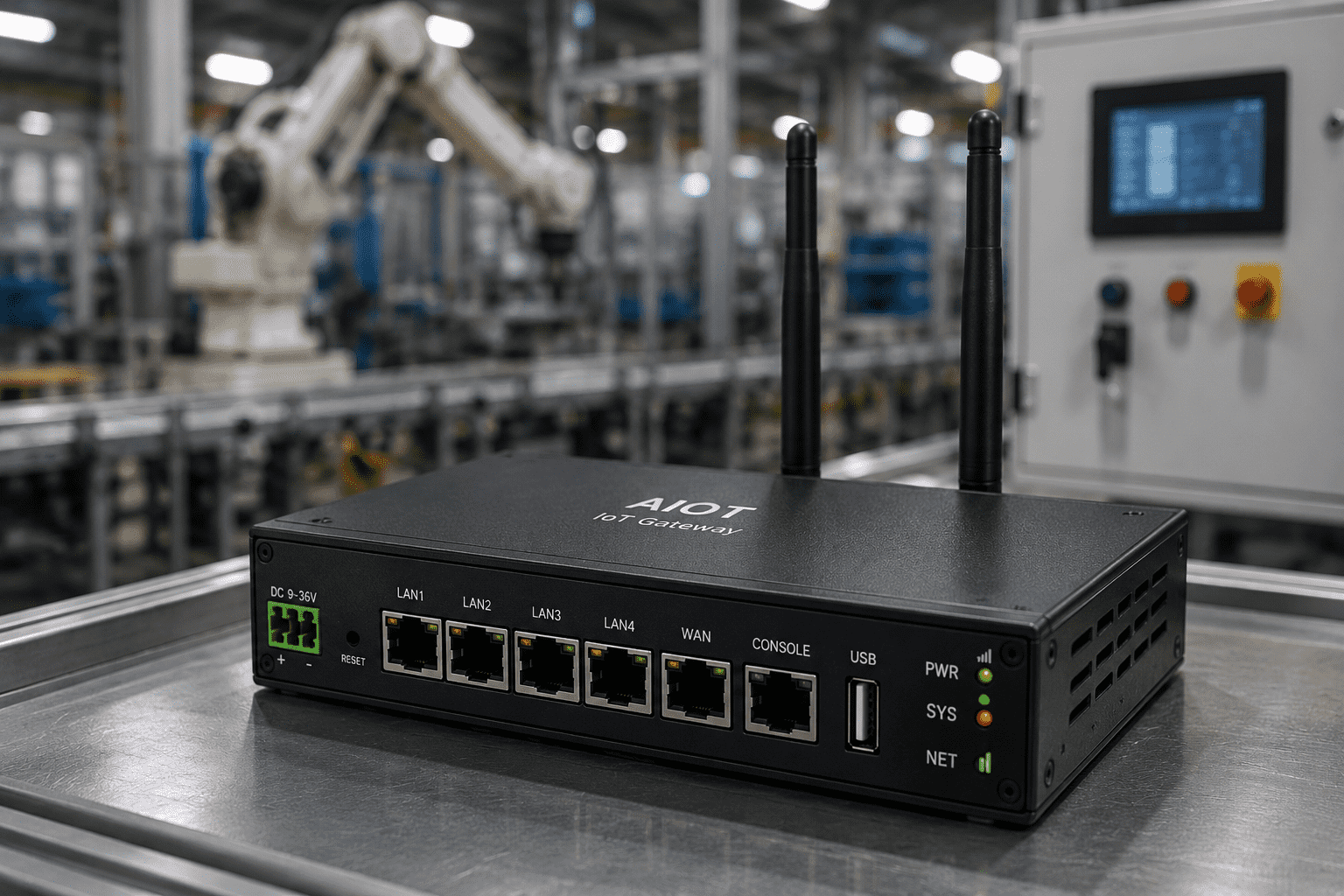
Built-in antennas are widely used in:
Smart Home Controllers
Industrial Gateways
Medical Electronics
POS Systems
Asset Tracking Devices
Smart Agriculture
EV Chargers
AI Edge Devices
These applications require reliable wireless communication while maintaining compact product dimensions.

Common Design Mistakes
Engineers frequently encounter antenna performance issues because of several avoidable mistakes.
These include:
Placing the antenna too close to the batteries
Insufficient ground clearance
Ignoring enclosure materials
Incorrect cable routing
Lack of RF tuning after PCB revisions
Addressing these factors during development significantly improves wireless performance.

YINGSHUN Antenna Engineering Support
YINGSHUN Antenna provides custom antenna development services tailored to modern IoT applications.
Our engineering capabilities include:
Custom PCB antenna design
RF simulation
Antenna tuning
Matching network optimization
Prototype testing
Mass production support
Whether your project requires Wi-Fi, LTE, Bluetooth, GNSS, or multi-band connectivity, our engineering team helps optimize antenna performance for your product.
Conclusion
Selecting the right built-in antenna is more than choosing the correct frequency band. It requires careful consideration of PCB layout, enclosure design, wireless protocol, and product application.
Working with an experienced antenna design partner early in the development process can shorten development cycles, improve certification success, and deliver more reliable wireless performance.