

As industrial wireless networks continue to expand, reliable outdoor connectivity has become more important than ever. From factory automation and remote monitoring to smart agriculture and outdoor WiFi systems, stable wireless communication depends not only on the radio module but also on the antenna that transmits and receives the signal.
Although newer wireless technologies continue to emerge, the 2.4G fiberglass antenna remains one of the most trusted solutions for outdoor wireless communication. Its combination of wide coverage, dependable performance, and excellent environmental resistance makes it an ideal choice for long-term deployments.
Whether supporting industrial WiFi, outdoor access points, surveillance systems, or wireless bridges, a properly selected fiberglass antenna can significantly improve communication reliability while reducing maintenance costs.
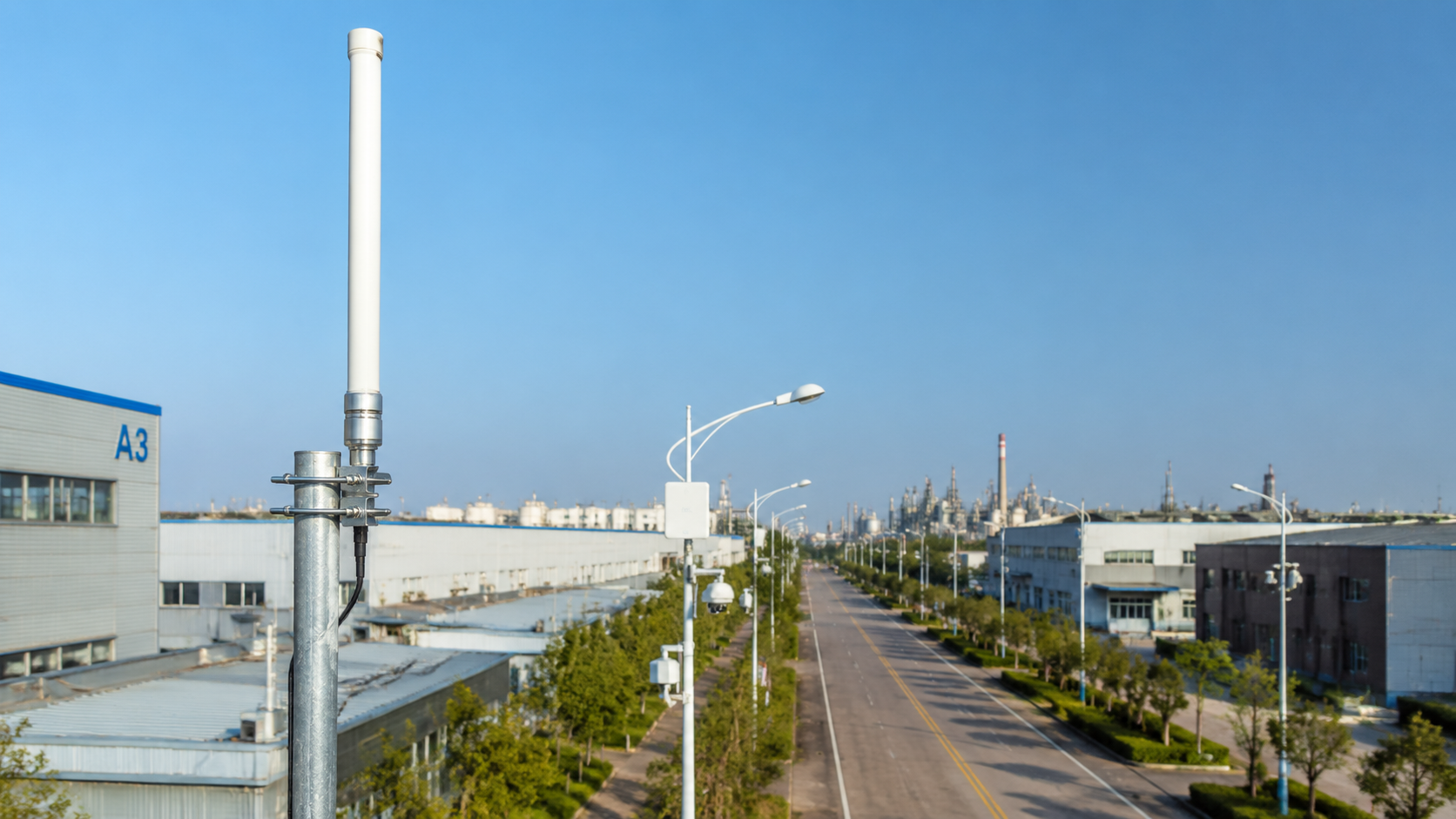
Why Fiberglass Antennas Perform Better Outdoors?
Unlike indoor antennas, outdoor antennas are constantly exposed to sunlight, rain, humidity, dust, temperature fluctuations, and strong winds. These environmental conditions can quickly reduce the performance and lifespan of conventional antennas.
Fiberglass antennas are specifically engineered to overcome these challenges.
The fiberglass radome protects the internal radiating element from moisture and UV exposure while maintaining stable RF performance over extended periods. At the same time, corrosion-resistant aluminum components and weatherproof sealing help ensure reliable operation in demanding environments.
For applications requiring continuous wireless coverage year-round, durability is just as important as RF performance.
Key advantages include:
* Excellent UV resistance for long outdoor service life
* Waterproof construction suitable for all-weather deployment
* Corrosion resistance for coastal and industrial environments
* Stable performance under wide temperature ranges
* Low maintenance requirements after installation
These characteristics make fiberglass antennas particularly suitable for infrastructure projects where reliability is critical.
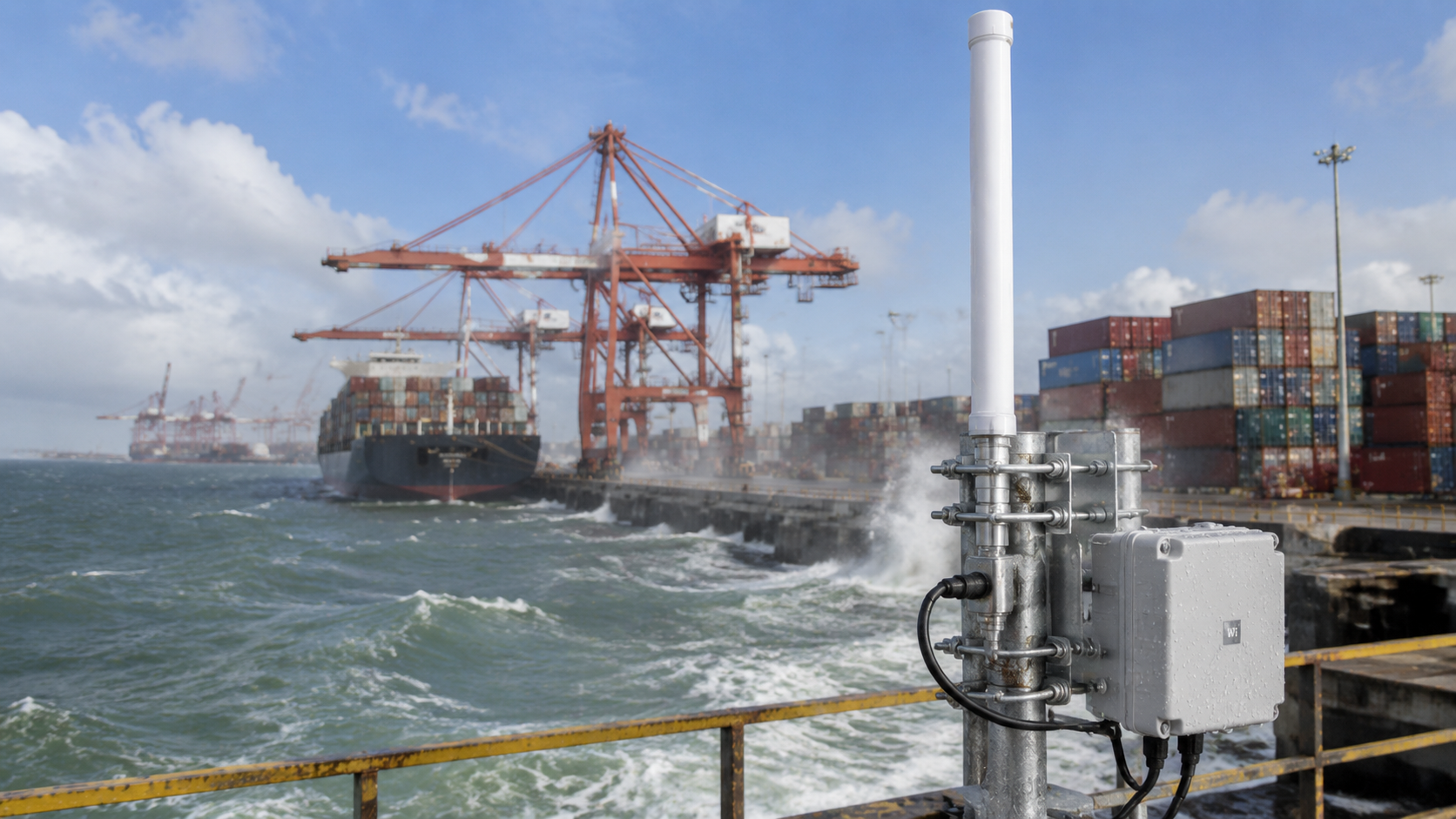
Common Applications of 2.4G Fiberglass Antennas
One reason why the 2.4G fiberglass antenna continues to be widely adopted is its versatility across different industries.
Industrial WiFi Networks
Manufacturing facilities often require stable wireless coverage across production lines, warehouses, and outdoor storage areas. Fiberglass antennas help eliminate dead zones while supporting uninterrupted communication between equipment and monitoring systems.
Outdoor Wireless Access Points
Campus networks, public parks, factories, and logistics centers frequently deploy outdoor access points that rely on omnidirectional fiberglass antennas to provide consistent wireless coverage across large areas.
Video Surveillance Systems
IP cameras installed along roads, industrial sites, and utility facilities depend on reliable wireless communication. A properly positioned outdoor antenna helps maintain stable video transmission even over longer distances.
Wireless Bridge Systems
Wireless bridges are commonly used to connect buildings without laying fiber optic cables. High-quality fiberglass antennas improve signal strength and link stability while reducing packet loss.
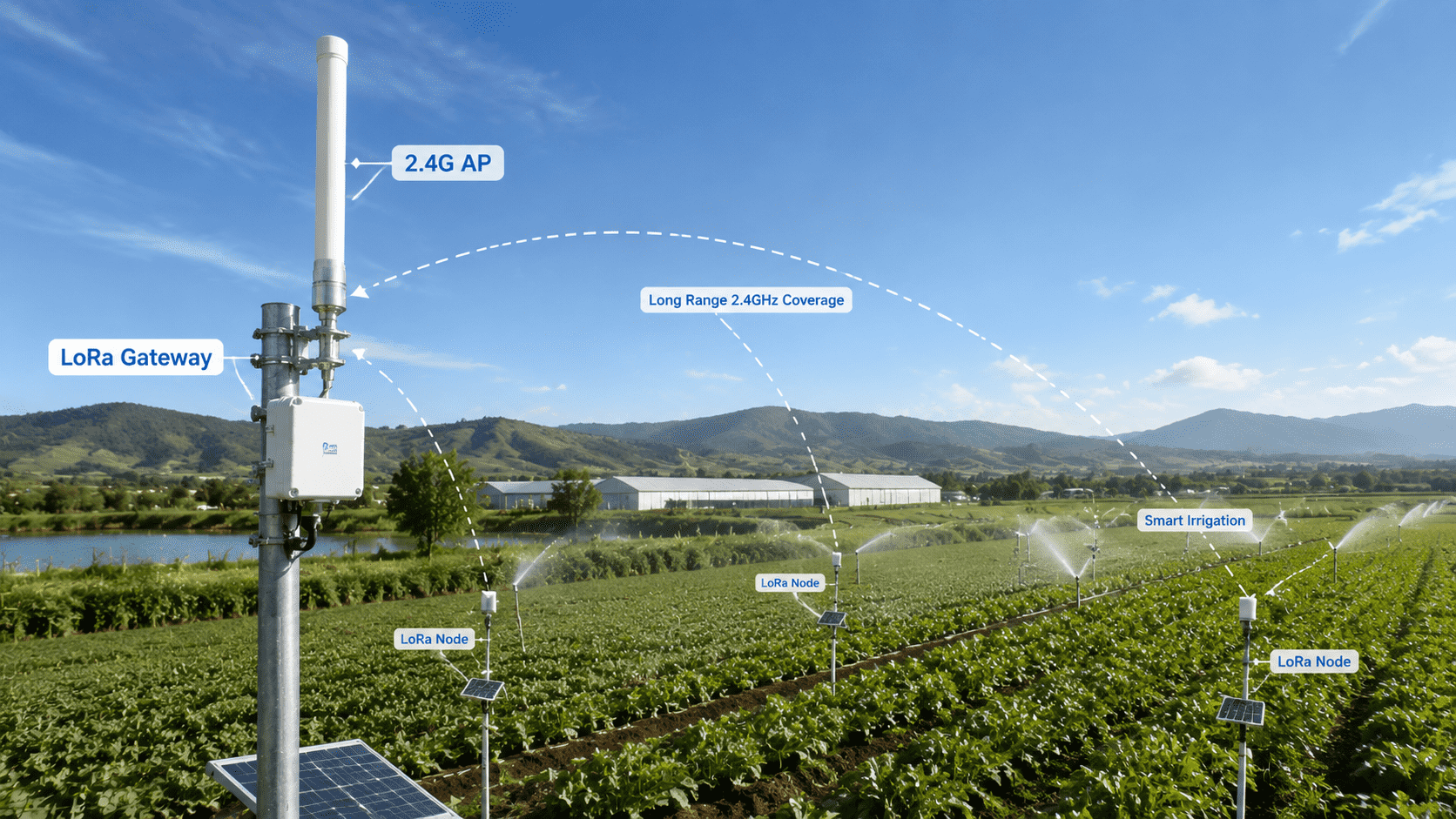
Smart Agriculture
Agricultural IoT systems increasingly rely on wireless sensors to monitor soil moisture, weather conditions, irrigation systems, and livestock. Fiberglass antennas provide dependable outdoor coverage across large farmland areas.
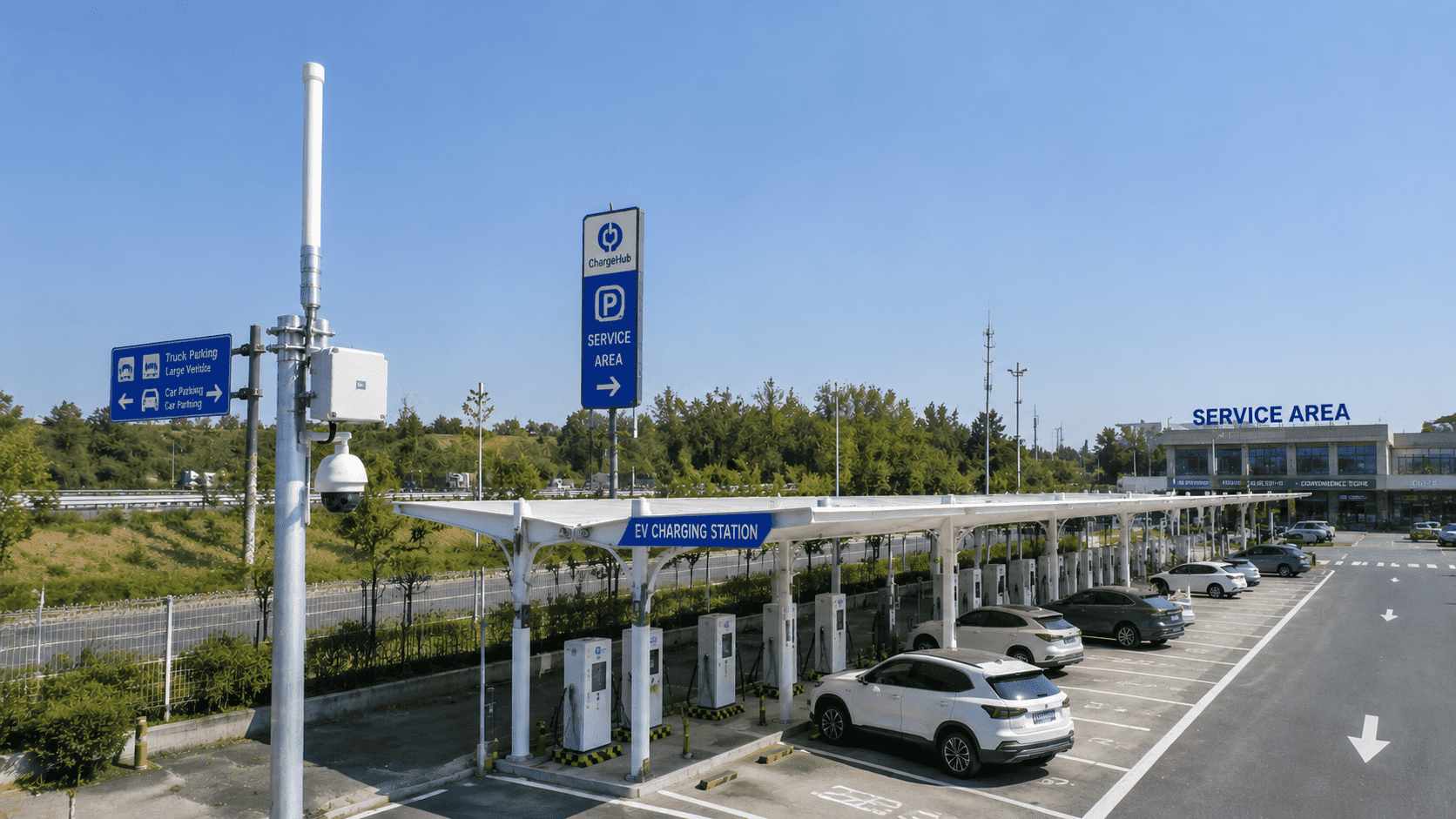
EV Charging Infrastructure
As electric vehicle charging stations continue to expand, stable wireless communication has become essential for equipment management, payment systems, and remote diagnostics. Outdoor fiberglass antennas support reliable connectivity in both urban and highway charging environments.
Selecting the right antenna involves much more than simply choosing the highest gain available.
The ideal antenna depends on the deployment environment, installation height, cable length, surrounding obstacles, and wireless coverage requirements.
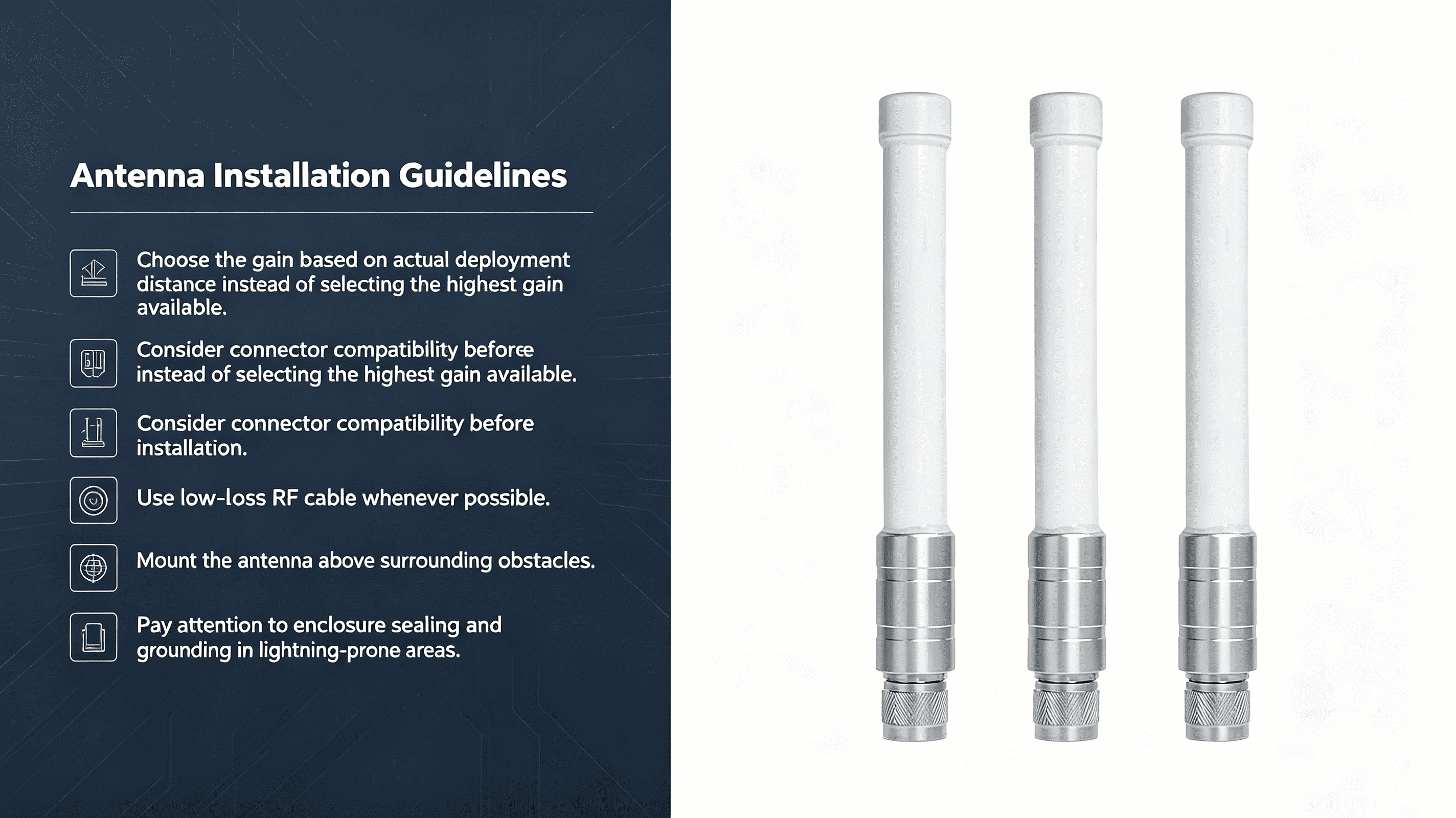
When evaluating a fiberglass antenna, consider the following factors:
Gain Higher gain does not always produce better performance. Short-distance coverage may actually benefit from lower-gain antennas with wider radiation patterns.
Verify compatibility with your wireless equipment. Common connector options include N Male, N Female, SMA, RP-SMA, and customized interfaces.
Cable Selection
Low-loss coaxial cables help preserve signal quality, especially when longer cable runs are required.
Mounting Method
Secure installation using durable brackets improves long-term reliability while maintaining optimal antenna orientation.
Environmental Protection
Look for antennas designed with weatherproof sealing and durable housing materials capable of withstanding outdoor conditions.
Careful planning during the installation stage often has a greater impact on network performance than increasing transmission power alone.
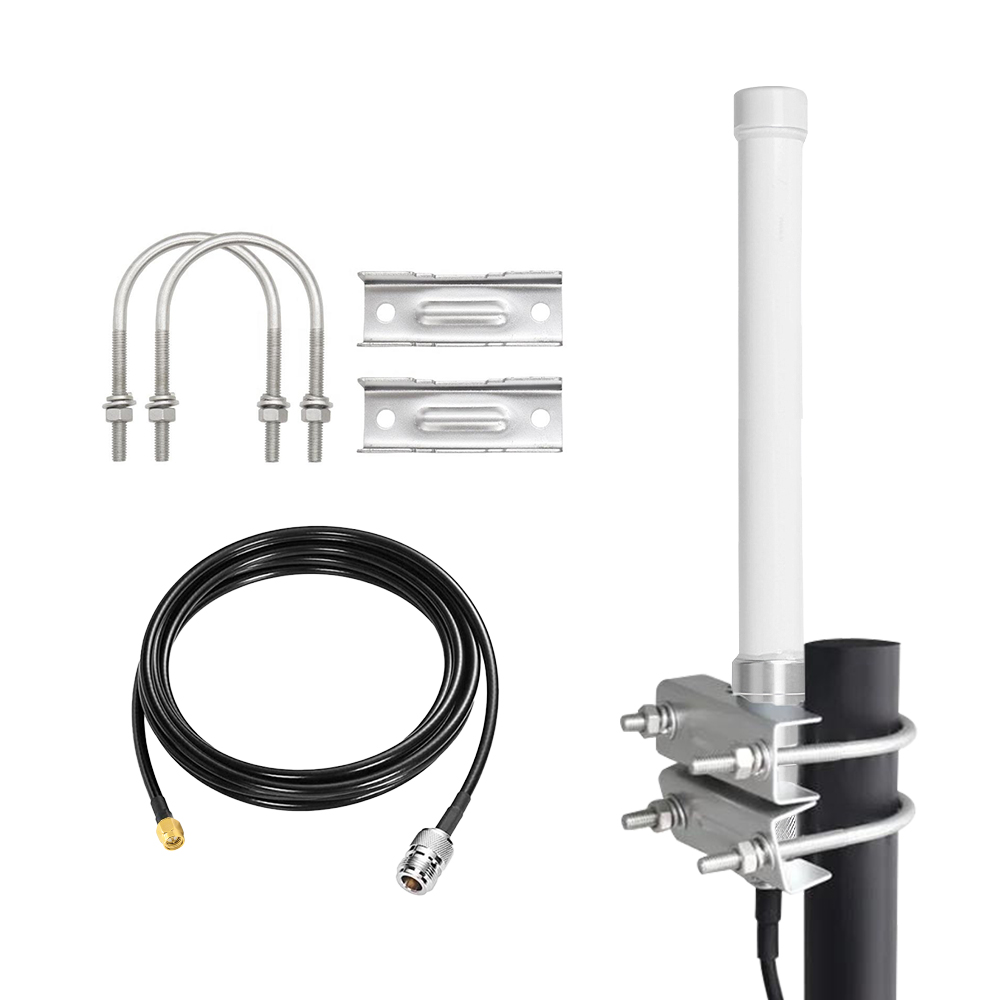
Complete RF System Design Matters
While antenna specifications are important, overall wireless performance depends on the entire RF system.
Factors such as cable quality, connector matching, grounding, installation height, and nearby obstacles all influence signal coverage.
Experienced engineers evaluate the complete communication system rather than focusing on antenna gain alone.
By combining quality antennas with proper RF design, companies can achieve higher network stability, lower maintenance costs, and improved long-term reliability.
Supporting Outdoor Wireless Projects Worldwide
At YS ANTENNA, we work with customers across industrial automation, smart city infrastructure, transportation, energy, and IoT industries to provide dependable outdoor antenna solutions.
Our engineering team supports OEM and ODM projects with customized antenna design, connector options, cable assemblies, and application-specific RF optimization. Every antenna undergoes performance verification to help customers achieve stable wireless communication in real-world environments.
Whether your project requires outdoor WiFi coverage, industrial monitoring, wireless bridges, or smart infrastructure connectivity, selecting the right antenna partner is an important step toward long-term system reliability.
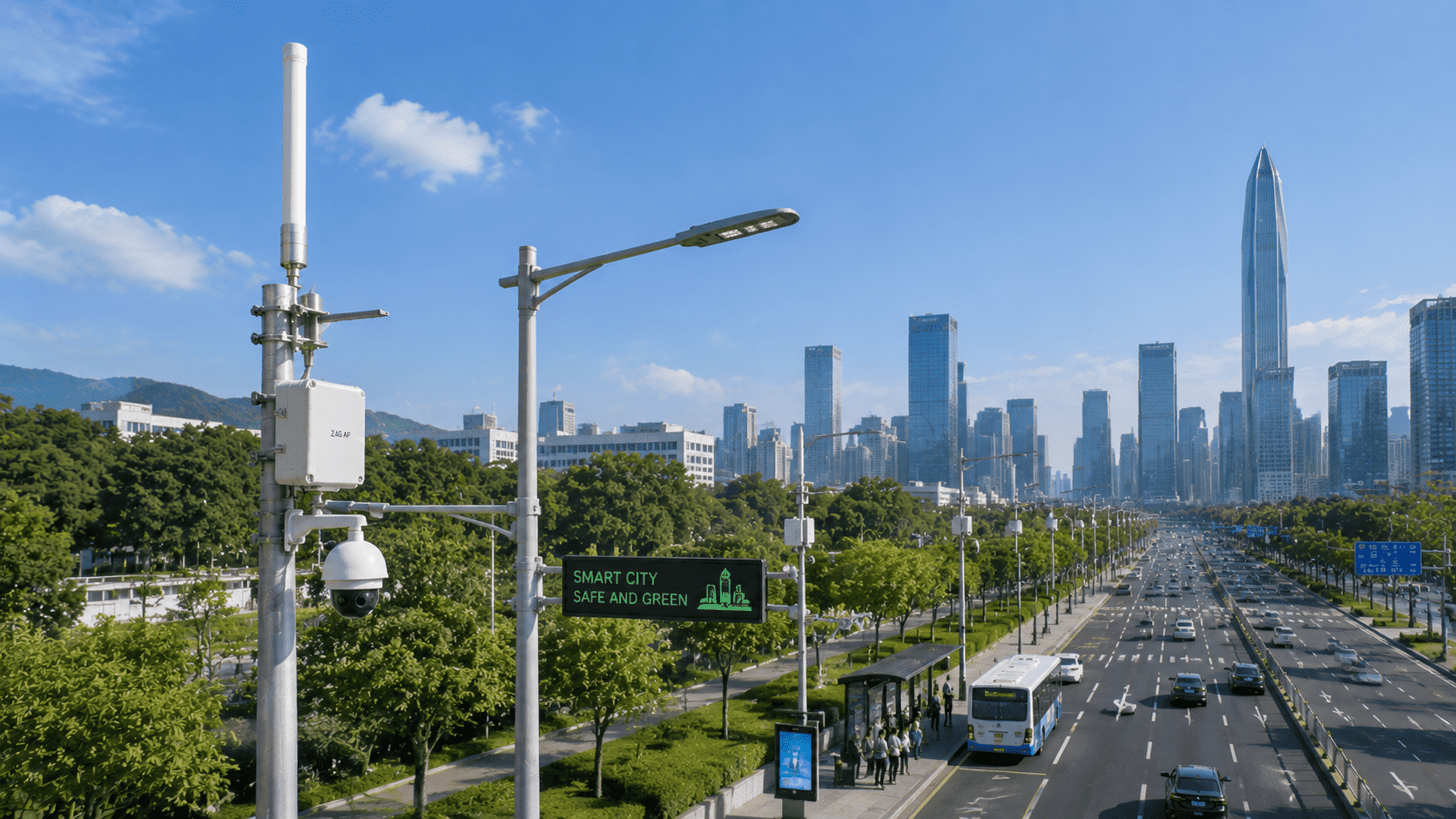
Although wireless technologies continue to evolve, the 2.4G fiberglass antenna remains one of the most dependable solutions for outdoor communication. Its durability, stable RF performance, and broad application range make it a practical choice for industrial WiFi, surveillance, smart agriculture, EV charging, and smart city deployments.
By selecting the right antenna, optimizing installation, and considering the complete RF system, businesses can improve network reliability while reducing long-term operational costs.
If you're planning an outdoor wireless project, choosing a well-designed fiberglass antenna can provide the stable connectivity your application depends on.