

The Internet of Things (IoT) is becoming a key technology for smart manufacturing, connected vehicles, smart cities, smart agriculture, and AIoT devices. Millions of products now rely on wireless communication to collect data, connect to cloud platforms, and provide intelligent services.Although antennas are usually small components inside a product, they directly influence wireless performance. The right antenna affects signal strength, communication distance, connection stability, power consumption, and certification success.
For engineers developing IoT products, antenna selection should start during the early design stage rather than after hardware development is completed. A correct antenna solution can reduce redesign costs, improve product reliability, and accelerate time to market.
YINGSHUN ANTENNA provides customized wireless solutions for global customers, supporting applications including industrial IoT, automotive electronics, smart home devices, smart agriculture, and wireless communication equipment.
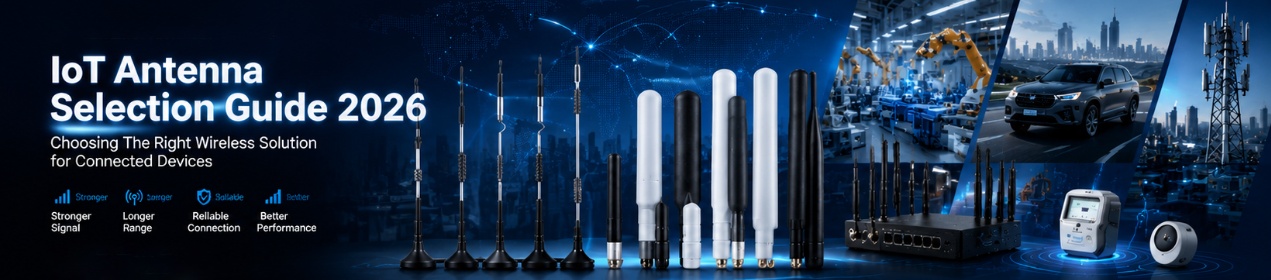
Why Antenna Selection Matters in Modern IoT Devices
Many product developers focus on processors, sensors, batteries, and communication modules, but the antenna is the key bridge between the device and the wireless network.
The most important factors when selecting an IoT antenna include:
1. Frequency Compatibility
Different wireless technologies operate at different frequency bands. Bluetooth and WiFi commonly use 2.4GHz. WiFi 6 devices may require 5GHz support. LoRa applications often use 433MHz, 868 MHz, or 915MHz bands. LTE and 5G devices require multi-band antenna solutions, while GNSS systems need dedicated positioning antennas.
2. Device Size and Mechanical Design
Modern IoT devices are becoming smaller and more integrated. Engineers need to consider PCB layout, enclosure material, battery position, and antenna clearance area.
3. Application Environment
A consumer smart sensor and an industrial gateway have completely different requirements. Outdoor industrial equipment may need waterproof protection, UV resistance, and higher gain performance.
There is no universal best antenna. The best antenna is the one optimized for the application.
Wireless Technology Requirements
Before choosing an antenna, engineers should understand the wireless technology used by the product.
Bluetooth/WiFi/Zigbee:
Suitable for smart home, wearable, and consumer devices.
LoRa:
Used for long-range communication in smart agriculture, smart meters, and sensor networks.
LTE/5G:
Common in industrial gateways, routers, automotive communication and private 5G networks.
GNSS:
Used for navigation, tracking, and positioning systems.
Selecting the correct antenna architecture improves wireless efficiency and product reliability.
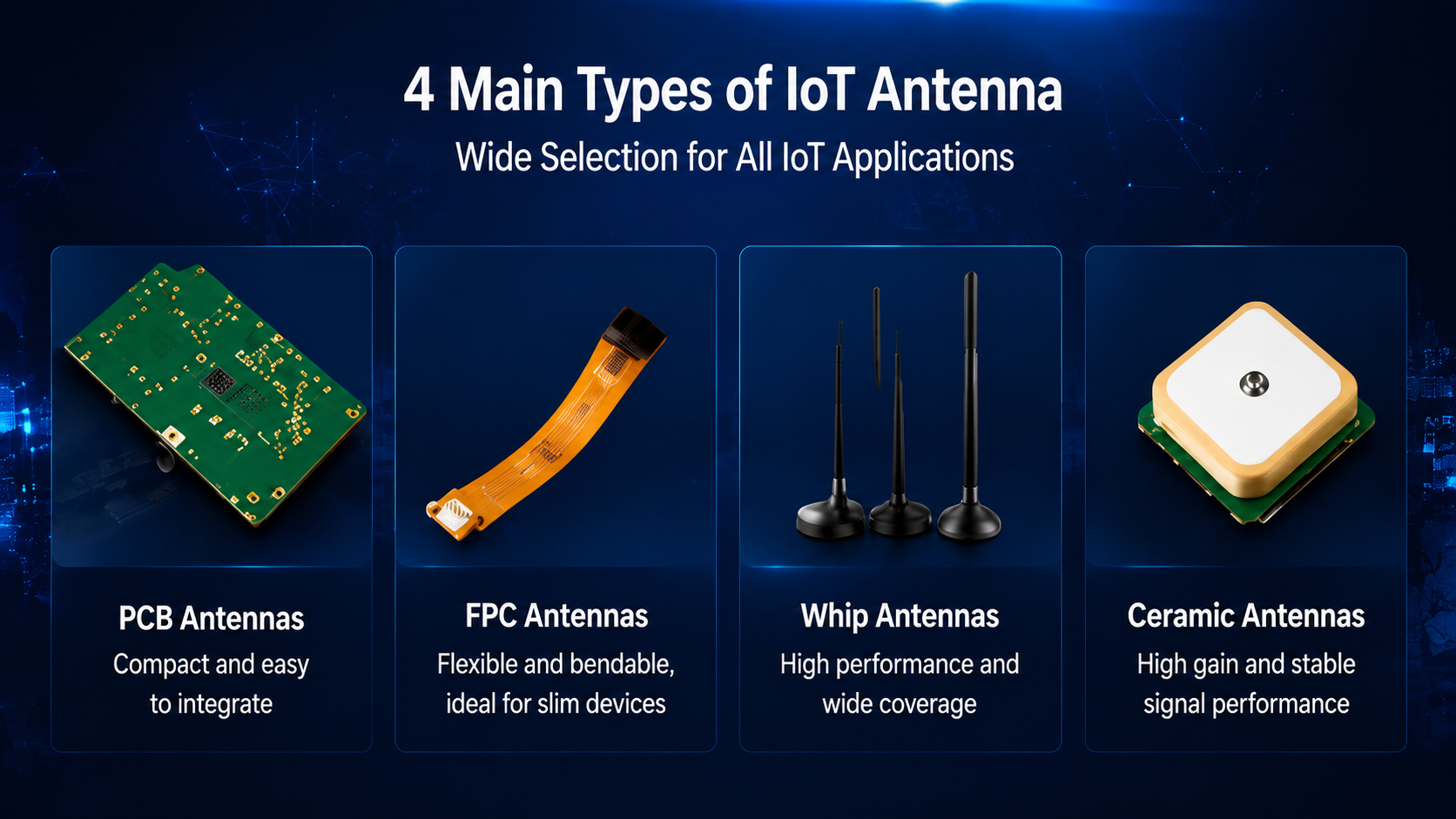
4 Main Types of IoT Antennas
1. PCB Antenna
A PCB antenna is integrated directly into the circuit board. It is a cost-effective solution for high-volume products where space and manufacturing cost are important.
Advantages:
- Low component cost
- Space-saving design
- Simple manufacturing process
PCB antennas are widely used in smart home products, Bluetooth devices, wireless sensors, and low-power IoT products.
2. FPC Antenna
FPC antennas use flexible printed circuit technology and provide greater installation flexibility.
Advantages:
- Flexible placement
- Suitable for compact products
- Easy customization
FPC antennas are commonly used in wearable devices, medical IoT products, drones, portable terminals, and smart locks.
3. External Antenna
External antennas are independent components connected through SMA, RP-SMA, N-Type, or IPEX connectors.
Compared with embedded antennas, external antennas provide:
- Better signal stability
- Higher efficiency
- Longer communication distance
- Easier replacement
They are ideal for industrial routers, 5G gateways, LoRa devices, outdoor IoT equipment and smart factory systems.
4. Ceramic GNSS Antenna
Ceramic antennas provide stable positioning performance for GPS, GLONASS, Galileo, and BeiDou systems.
They are commonly used in:
- Vehicle tracking systems
- Navigation equipment
- Drones
- Asset management devices
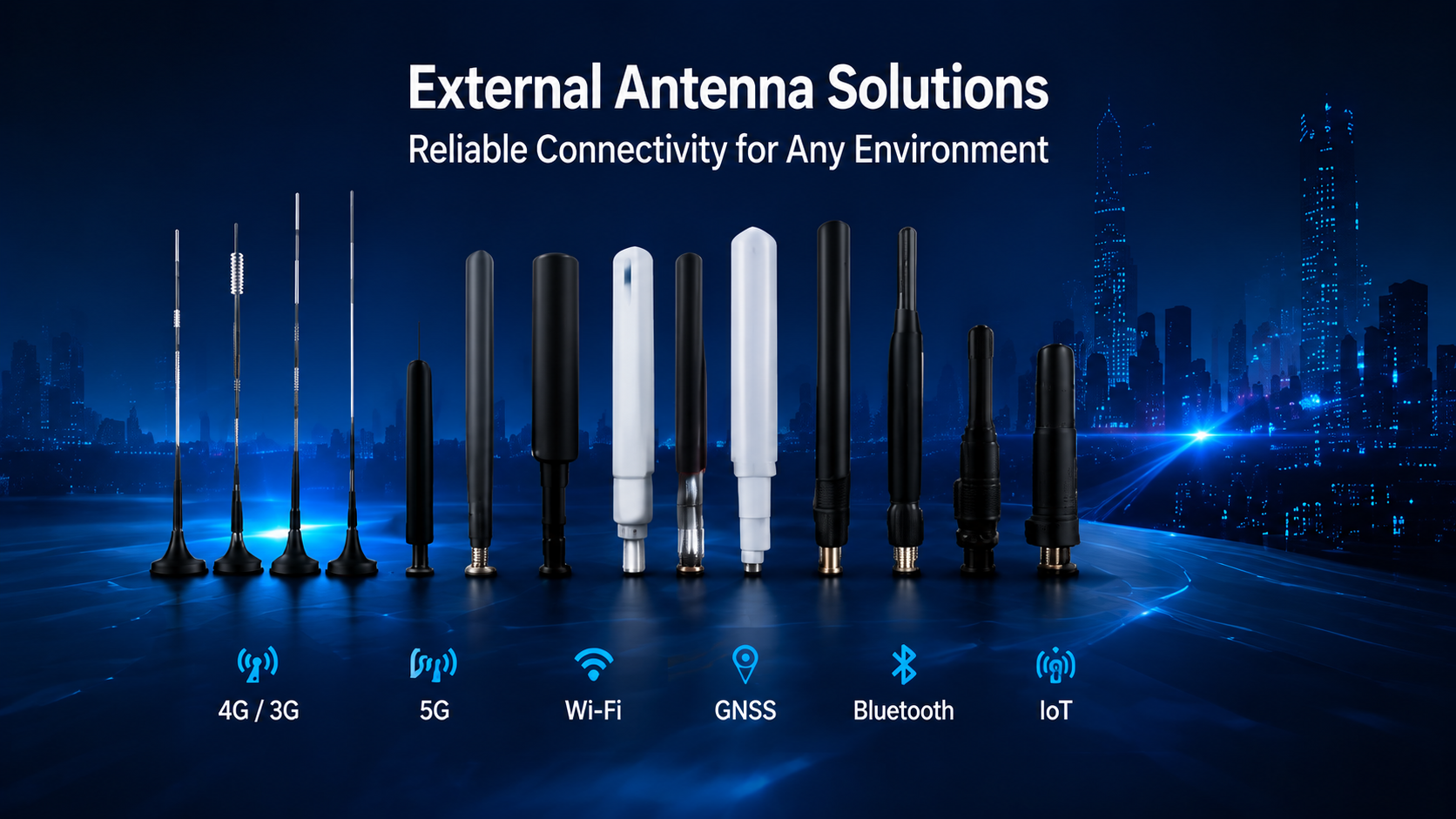
IoT Antenna Application Solutions
Smart Meter and LoRa / NB-IoT Devices
Smart meters require long communication distance, low power consumption, and stable outdoor performance. External LoRa and NB-IoT antennas are commonly selected because they provide better coverage and reliability.
Recommended features:
- 868MHz/915MHz support
- Waterproof structure
- Omnidirectional coverage
Smart Home and Consumer IoT Devices
Smart home products usually prioritize compact size and cost efficiency. PCB antennas and FPC antennas are widely used for WiFi, Bluetooth, Zigbee, and Thread connectivity.
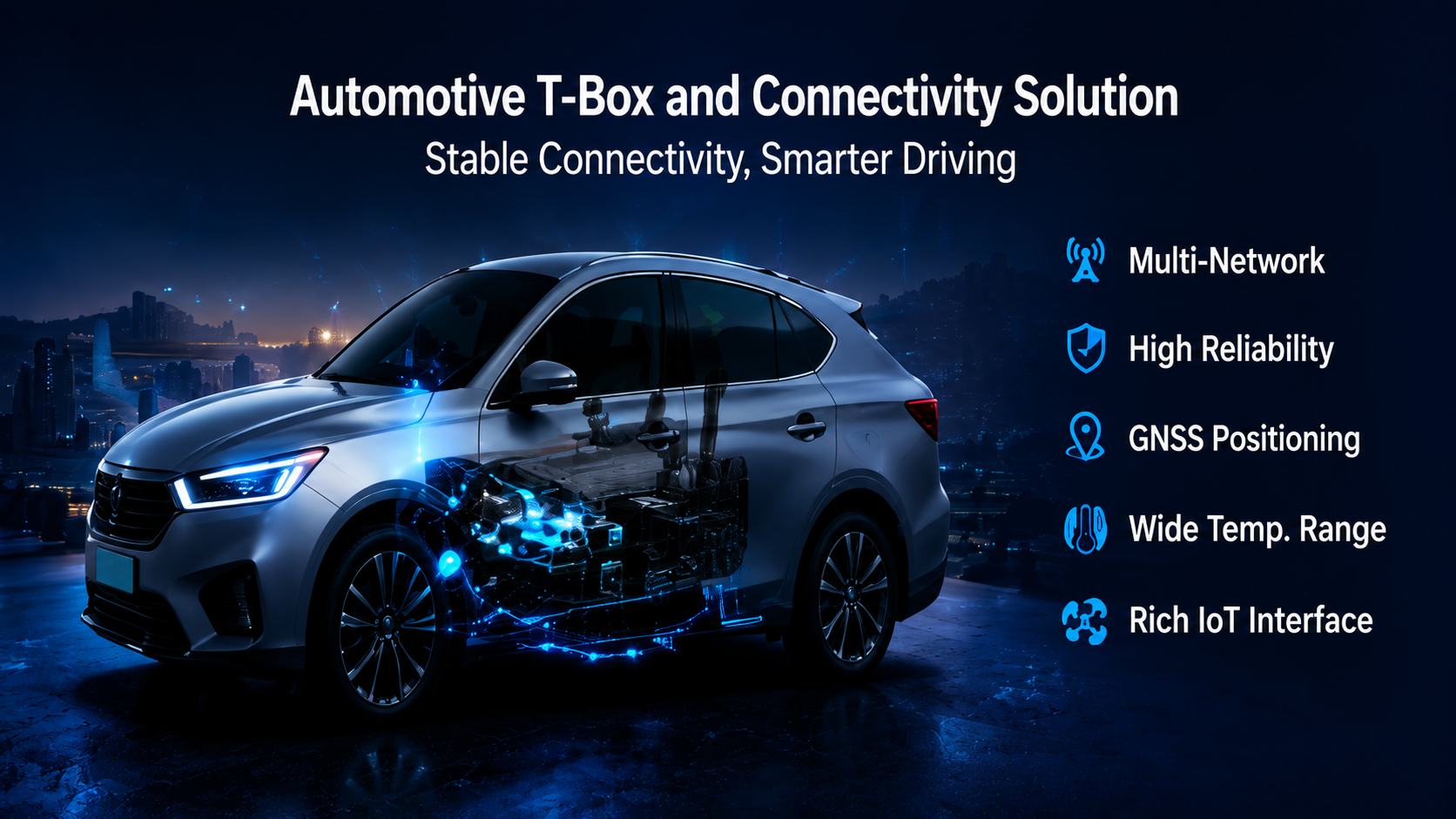
Automotive T-Box and Connected Vehicle Systems
Modern vehicles require multiple wireless functions, including 4G LTE, 5G, GNSS, and WiFi. Combination antennas integrate multiple communication functions into one solution.
YINGSHUN ANTENNA supports automotive antenna development, including:
- 4G/5G MIMO antenna
- GNSS antenna
- WiFi antenna
- Combination antenna
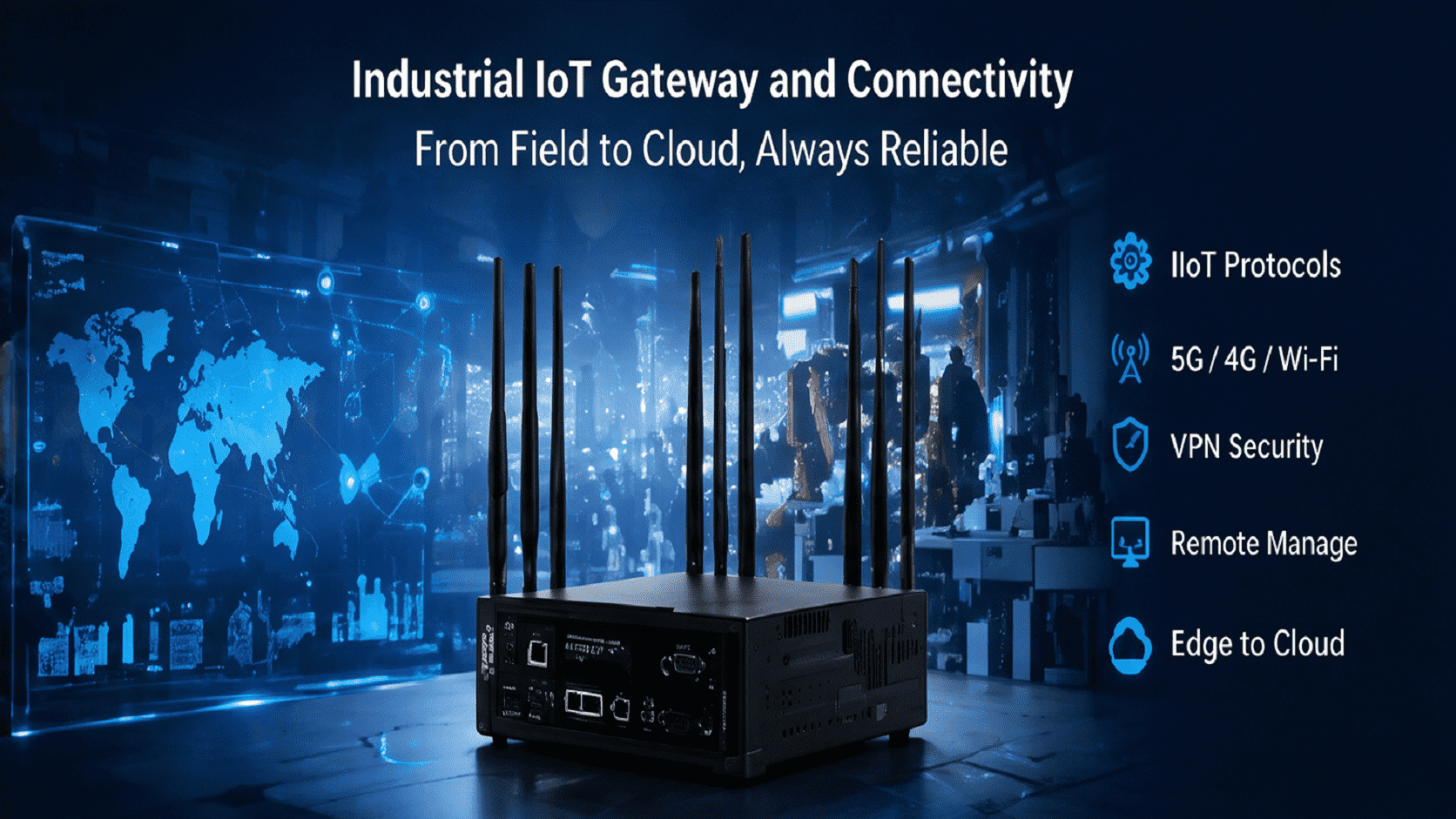
Industrial IoT Gateway and Smart Factory Equipment
Industrial environments require stable communication, strong coverage, and high reliability.
External high-gain antennas are commonly used in:
- Industrial routers
- Smart factories
- Remote monitoring systems
- Private 5G networks
- Edge computing equipment
Common IoT Antenna Selection Mistakes
Mistake 1: Choosing Only by Antenna Gain
Higher gain does not always mean better performance. Antenna gain must match the installation environment and coverage requirements.
Mistake 2: Ignoring Product Structure
Metal housing, battery position, PCB layout, and installation location can affect antenna performance.
Mistake 3: Selecting the Wrong Connector
Engineers should confirm connector type, cable length, and impedance before production. Common connectors include SMA, RP-SMA, N-Type, and IPEX.
Why Choose YINGSHUN ANTENNA
YINGSHUN ANTENNA provides complete IoT antenna solutions from design to mass production.
Our capabilities include:
- RF antenna design
- Simulation optimization
- Prototype development
- Antenna testing
- Customized production
We support OEM and ODM projects with customized:
- PCB antenna solutions
- FPC antenna solutions
- External antenna solutions
- 5G antenna solutions
- LoRa antenna solutions
- GNSS antenna solutions
From Design to Mass Production, YINGSHUN ANTENNA helps customers build reliable wireless products.
CTA - Request Your IoT Antenna Solution
Need a customized IoT antenna solution?
Contact YINGSHUN ANTENNA engineers and provide:
- Wireless frequency
- Product application
- Device dimensions
- Connector requirements
- Target quantity
Our engineering team will recommend the optimized antenna solution for your project.
FAQ
1. How do I choose the right IoT antenna?
Consider wireless frequency, product structure, application environment, and performance requirements.
2. What is the difference between a PCB antenna and an external antenna?
PCB antennas are compact and cost-effective, while external antennas provide stronger performance for industrial applications.
3. Which antenna is best for LoRa devices?
LoRa devices commonly use 433MHz, 868 MHz, or 915MHz antennas depending on regional requirements.
4. Can YINGSHUN ANTENNA customize antennas?
Yes. We provide OEM and ODM antenna design, customization, and production services.
5. When should antenna design begin?
Antenna design should start during the early product development stage to reduce redesign risks.
Conclusion
Antenna selection plays a critical role in the success of IoT products. From compact smart devices to industrial 5G systems, the correct antenna solution improves wireless performance, reliability and user experience.
YINGSHUN ANTENNA provides professional antenna solutions for global IoT manufacturers, helping customers move from concept design to mass production with confidence.