

1. What Is an Anti-Drone Antenna?
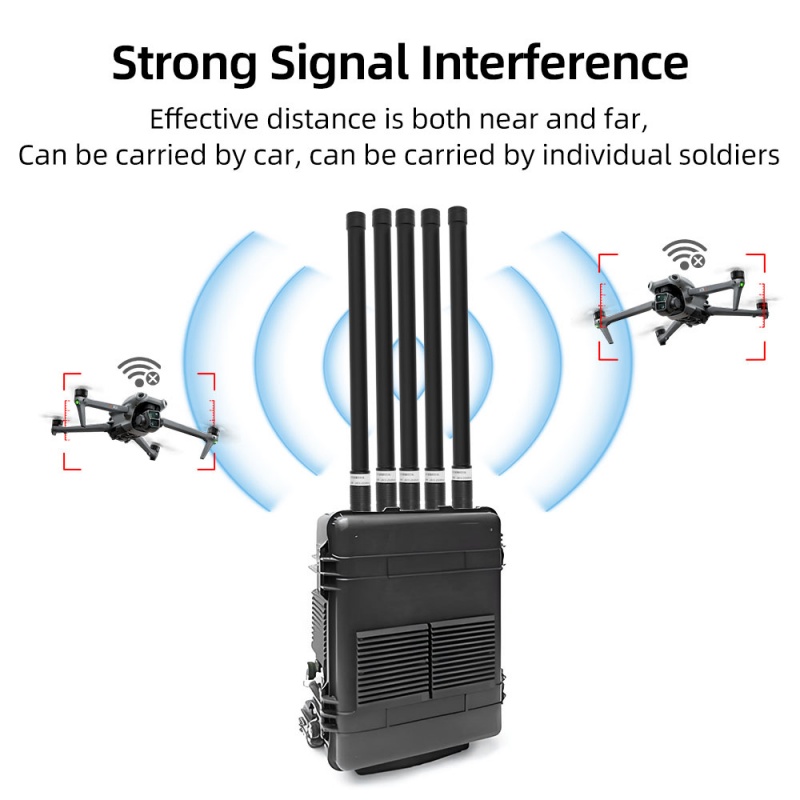
To put it simply: a counter-drone antenna is a specialized device designed to detect, interfere with, and suppress drone communication signals. By emitting electromagnetic waves within specific frequency bands, it severs the communication link between a drone and its remote controller, causing the drone to lose control and forcing it to either return to its starting point or land on the spot.
2. Common Types of Anti-Drone Antennas
To facilitate your understanding and viewing, our engineers have categorized common anti-drone antennas. We present this classification in a tabular format, as shown in the figure below.
By Physical Structure:


3.Key Performance Parameters of Anti-Drone Antennas
Based on the collective experience of our engineers, the following technical parameters are of particular importance for anti-drone antennas.
We have compiled a table:

Higher gain means longer range: High-gain directional antennas concentrate energy for long-distance precision jamming.
Narrower beam means more concentrated energy: Reduces electromagnetic interference to surrounding areas.
Circular polarization matching is critical: Most drones use circularly polarized antennas; using linearly polarized antennas causes over 3dB of additional loss.
4.Application Scenarios of Anti-Drone Antennas
4.1 Critical Infrastructure Protection:
Airport clear zones: Preventing unauthorized drones from disrupting flight operations.
Nuclear power plant perimeters: Preventing drones from carrying dangerous materials or conducting surveillance.
Prison security: Preventing drones from delivering contraband into correctional facilities.
Government and military facilities: Preventing aerial surveillance and potential threats.
4.2 Large Event Security:
Sports events: Preventing drones from disrupting live broadcasts and endangering spectators.
Concerts/festivals: Protecting artist privacy and performance order.
Political rallies: Ensuring smooth operations and preventing malicious interference.
4.3 Public Safety and Law Enforcement:
Counter-terrorism operations: Rapid response to drone threats.
Border patrol: Preventing cross-border drone smuggling and surveillance.
5. How to Choose the Right Anti-Drone Antenna?
Step 1: First determine the frequency band of the drone.
Based on our engineers' experience, mainstream consumer drones use the 2.4GHz (remote control) and 5.8GHz (image transmission) frequency bands; almost all drones use GPS L1 (1.5-1.6GHz) for positioning. Some industrial-grade or modified drones may use frequency bands such as 433MHz or 915MHz.
Step 2:Determine antenna signal coverage requirements.
Airports and nuclear power plants (where large coverage areas are required): Choose an omnidirectional antenna.
Precision directional strikes (handheld jamming guns, vehicle-mounted systems): Select high-gain directional antennas (spiral, Yagi, flat panel antennas).
Step 3: Consider installation environment and budget.
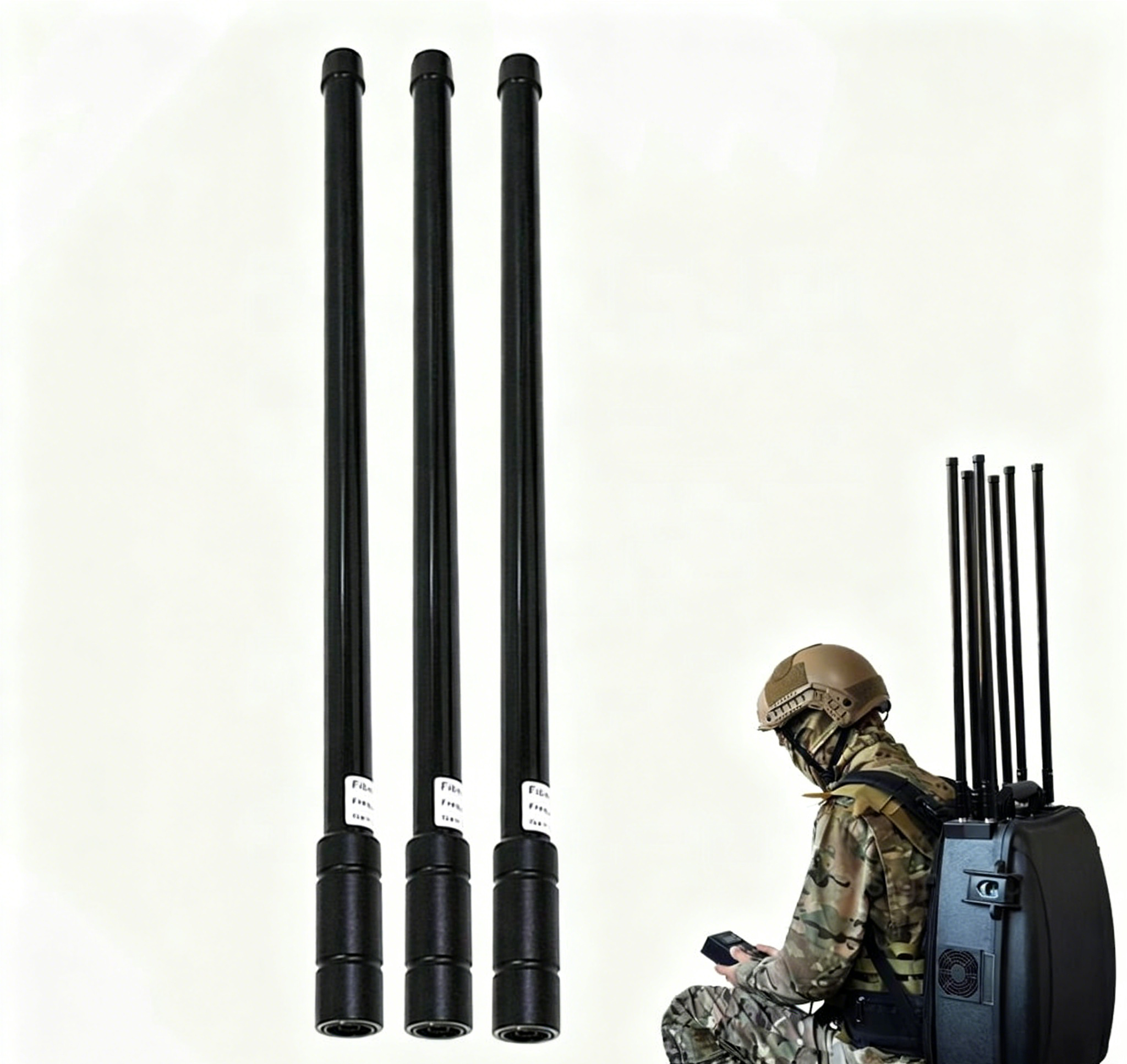
Long-term outdoor fixed deployment: Fiberglass housing antennas, IP67 rated, UV-resistant, salt spray resistant.
Handheld portable devices: Choose antennas made of lightweight materials (anti-drone gun antennas).
Cost control: Yagi antennas offer high cost-effectiveness; Performance requirements: Phased array antennas or helical antennas.
Conclusion of the Article
With the booming development of the "low altitude economy", the control and countermeasures of drones have become an indispensable part of the public safety field. We hope that through the introduction in this article, you can understand the core role of anti drone antennas - antennas directly determine the response speed and strike effectiveness of the entire security system.
Yingshun Communication Technology has long been deeply involved in the fields of IoT communication and RF technology. We not only provide standard anti drone antennas, but also support customized research and production of antennas for special anti drone frequency bands (433MHz, 900MHz, 1.2GHz, 1.5GHz, 2.4GHz, 5.8GHz).
Welcome to browse our product center or contact our engineering team for exclusive RF solutions.

Author: Xu Wang (Engineer at Yingshun Communication Technology Co., Ltd.)
Writing date: April 18, 2026