

Preface
Anyone who's ever flown a racing drone or aerial photography drone knows how nerve-wracking it can be when the image transmission signal lags or even the screen goes black. Often, the problem isn't with the flight controller or the battery, but with a seemingly insignificant antenna. This guide summarizes our experience at Yingshun Communication Technology Co., Ltd., and we hope it will help you avoid some pitfalls.
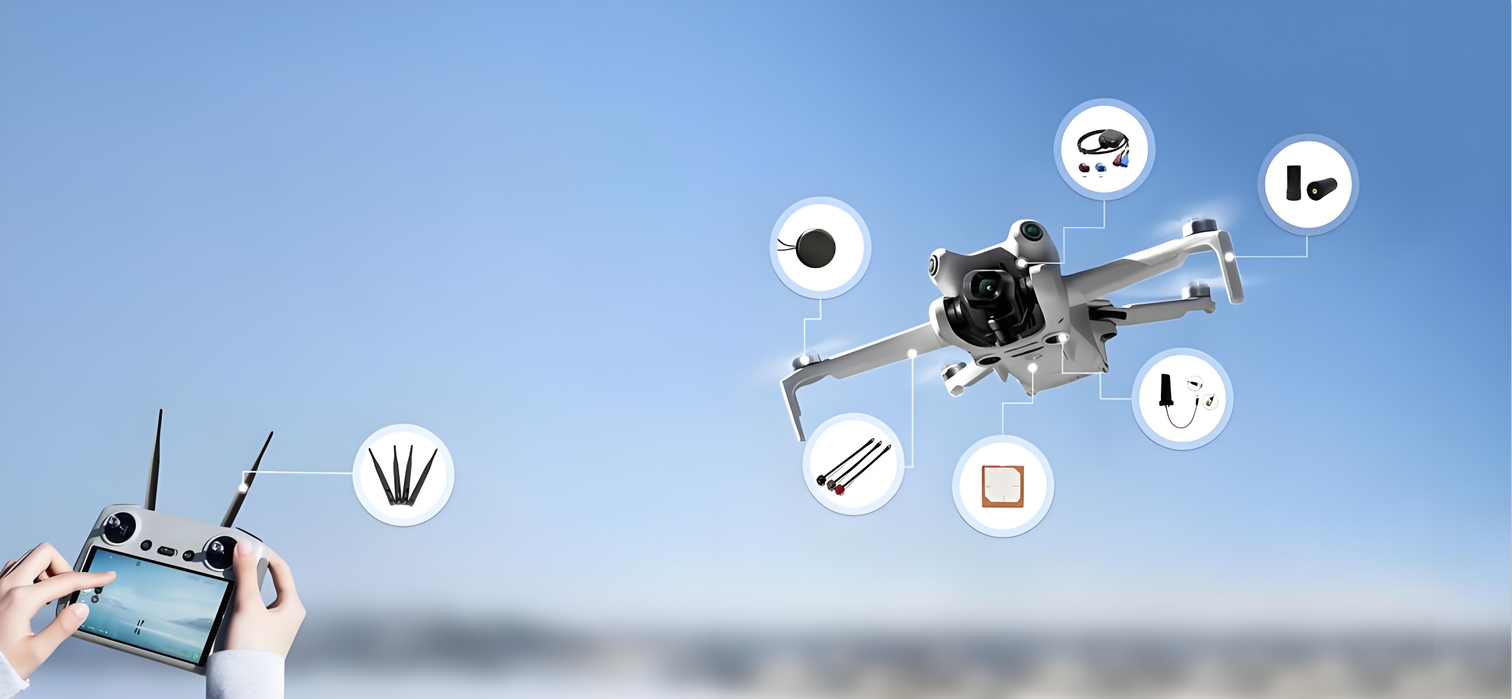
1.What is the function of the image transmission antenna on a drone?
In simple terms, the video transmission antenna is the “talker” between your drone and the goggles/ground station. It sends out the video feed from the drone and lets your receiver catch it.
The drone's image transmission antenna is a core radio frequency component responsible for transmitting aerial images and flight data in real time, directly determining the transmission distance, clarity, stability, and anti-interference capability.
2.What are the common frequency bands for drone image transmission antennas? How to choose them?
We have summarized a simple table:

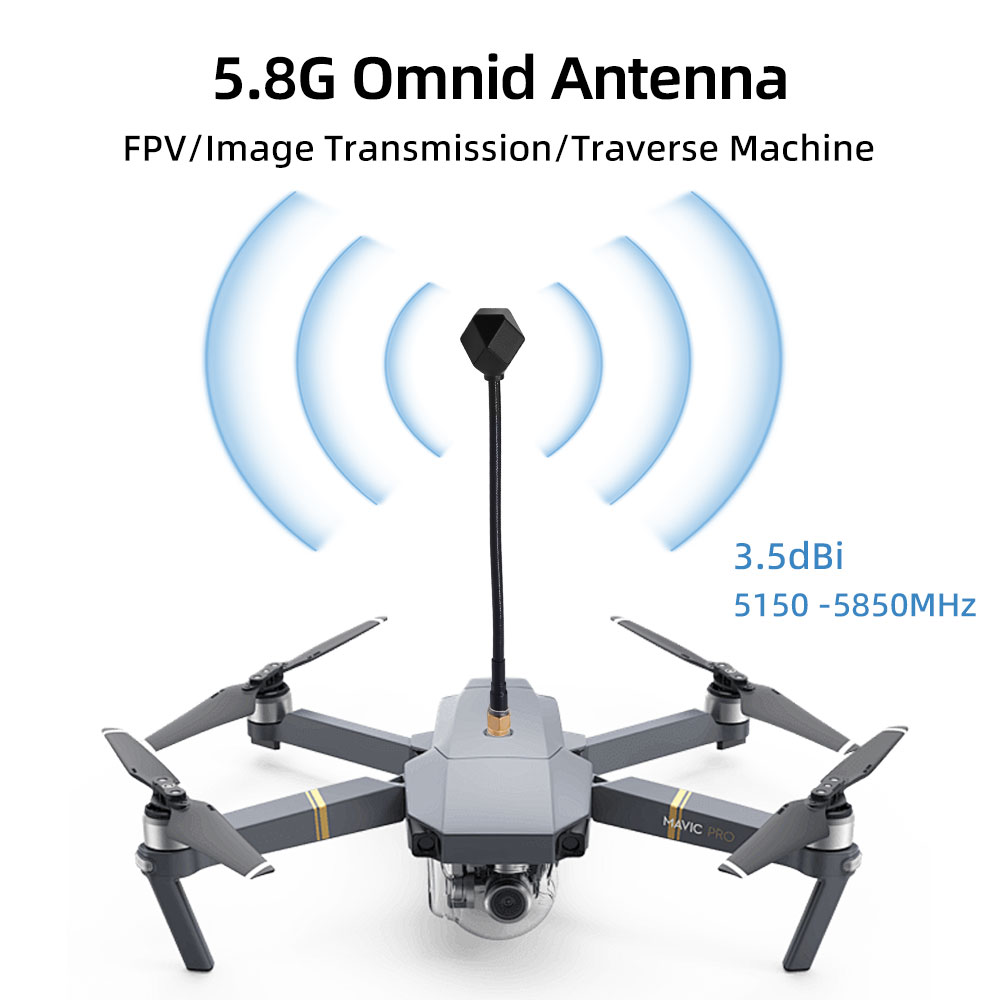
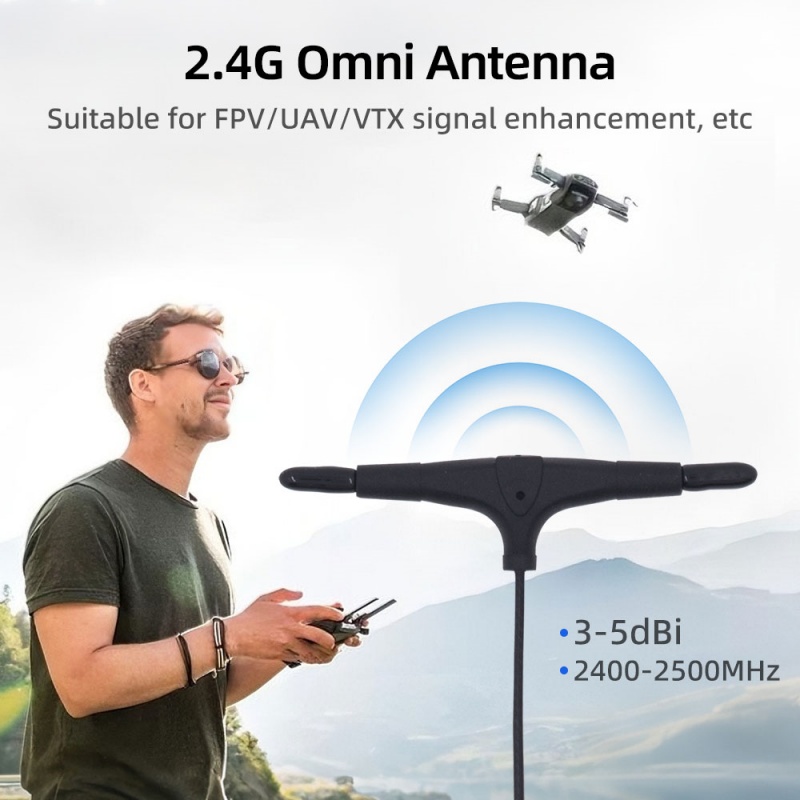
How to choose? Our suggestion: If you mainly use it in open areas (grasslands, beaches, deserts), 5.8GHz is more suitable due to less interference and a shorter antenna.
If you frequently travel between forests and buildings, 2.4GHz's penetration power will make things easier for you.
3.Common Antenna Types and Introduction
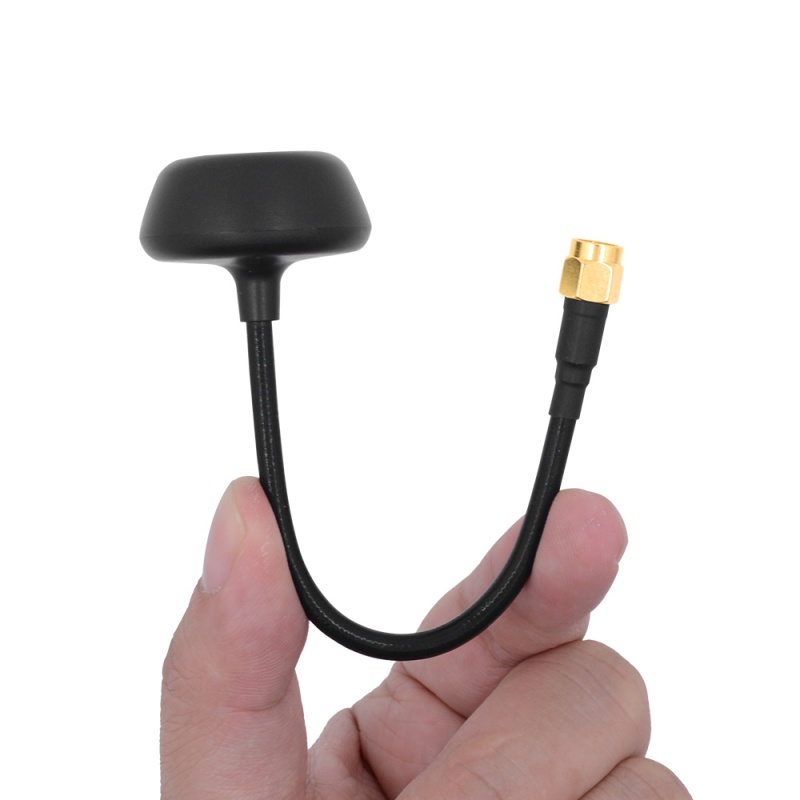
3.1 Mushroom and lollipop shaped antennas
The antenna is shaped like a "mushroom" or "lollipop," has low directivity, is resistant to bending, and has a stable signal; it is commonly used in FPV racing drones.
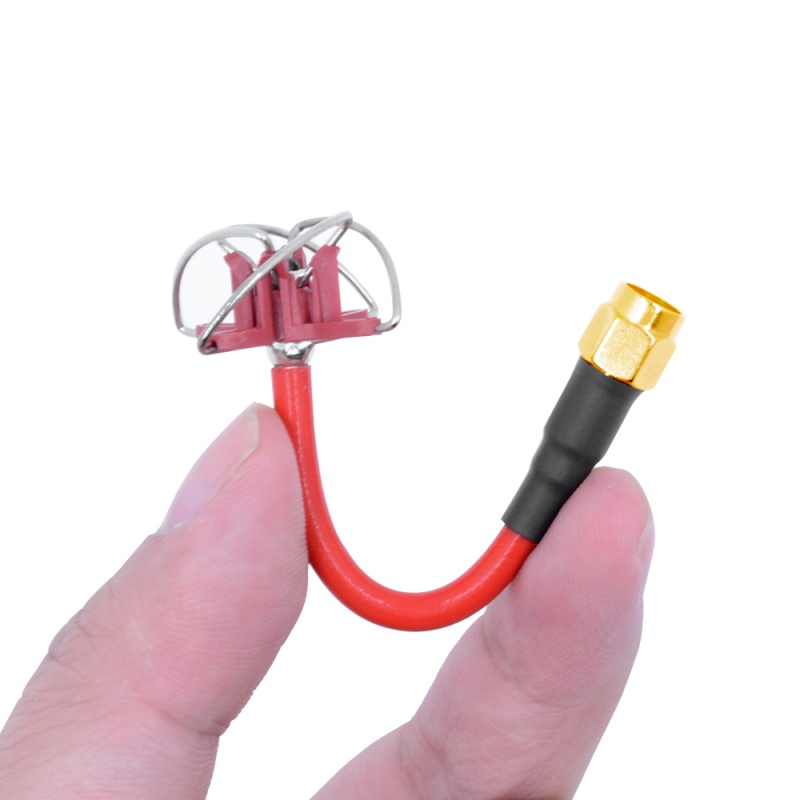
3.2 Cloverleaf / Skew Planar Wheel
The antenna is shaped like several flower petals. It typically has a gain of 2-3 dBi and a wide signal coverage angle, making it a top choice for experienced racing drone enthusiasts.
3.3 Flat panel directional antenna
High gain, strong directivity, good long-distance transmission performance, must be pointed in the direction of the drone.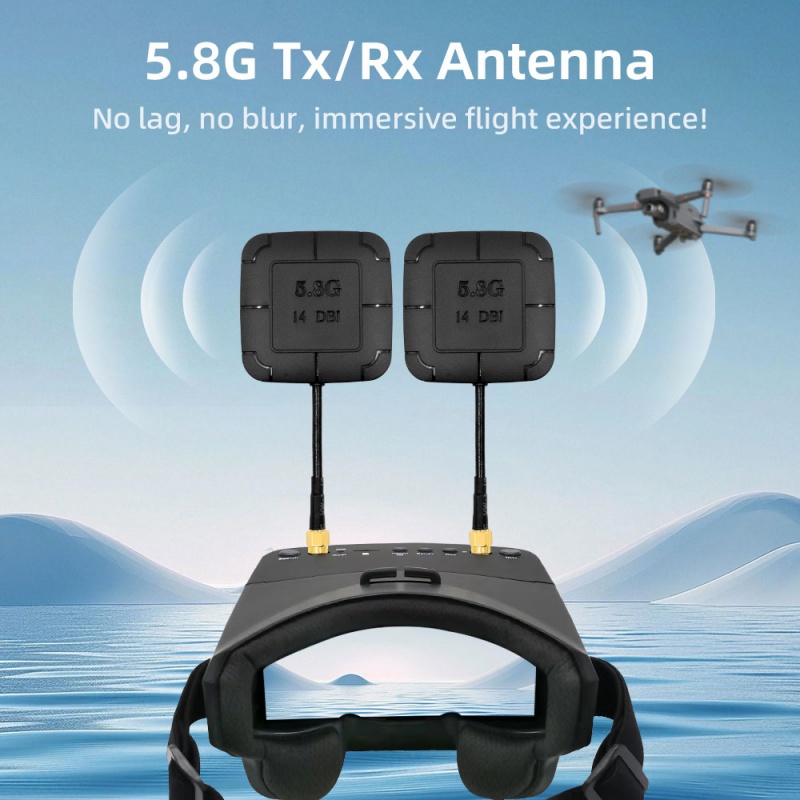
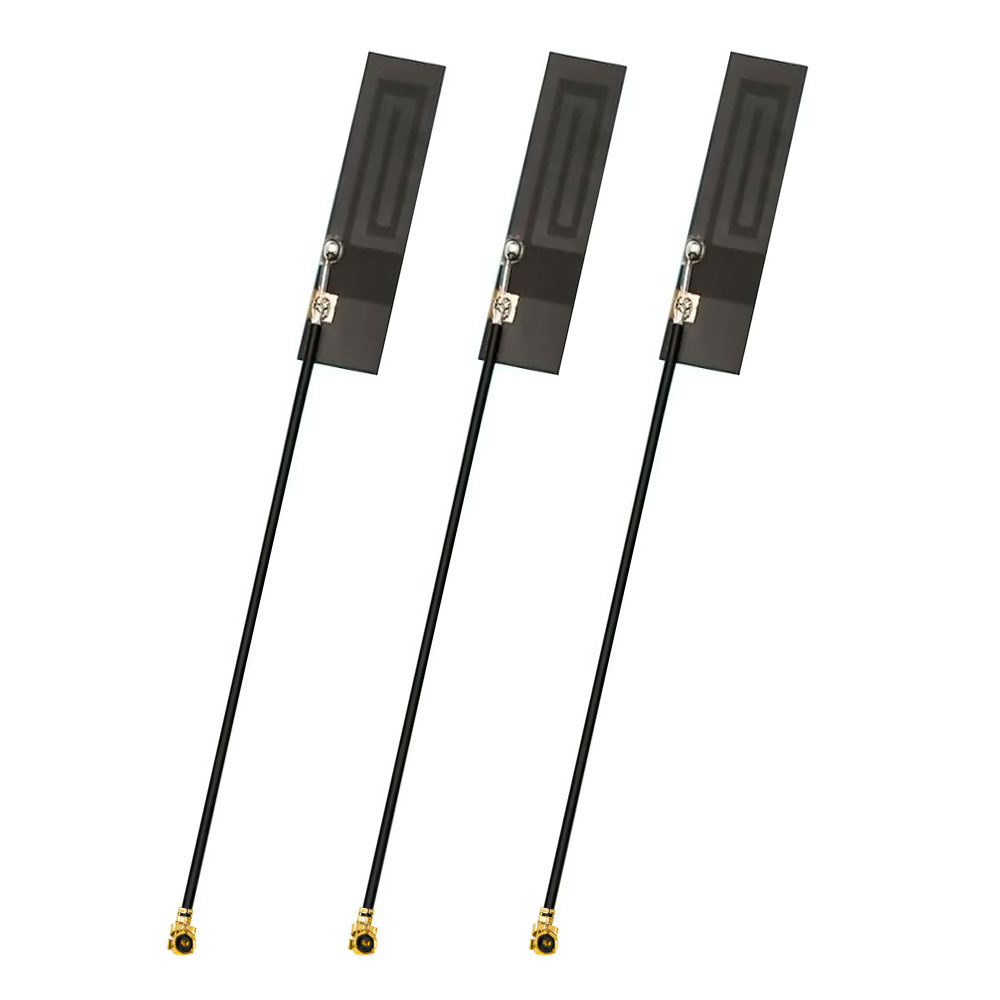
3.4 Built-in patch/FPCB antenna
Slim and lightweight design, does not compromise the drone's shape, and is widely used in consumer drones and small integrated devices.
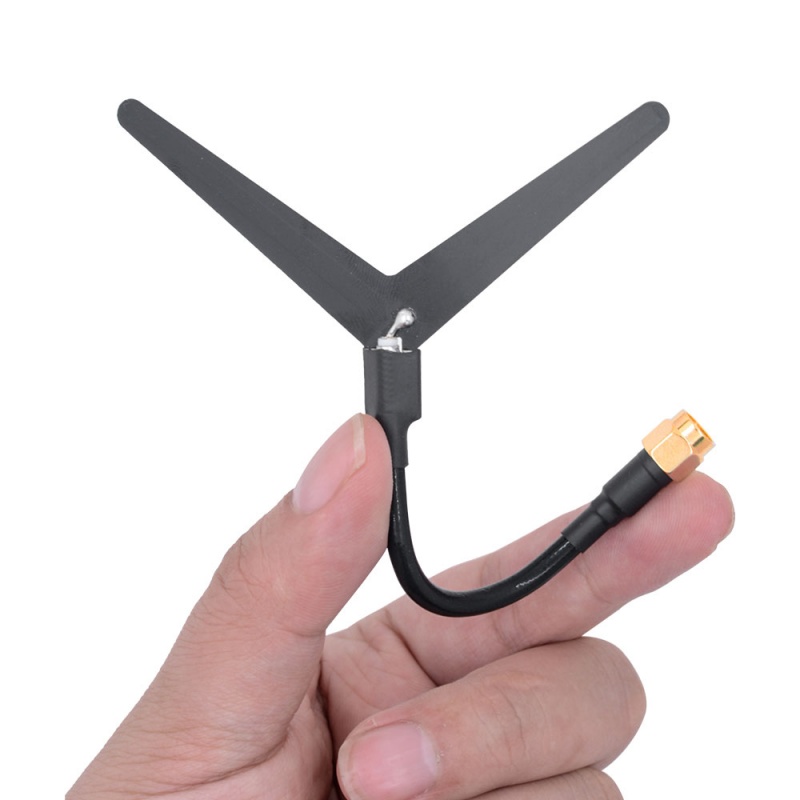
3.5 Whip / Rubber Duck antenna
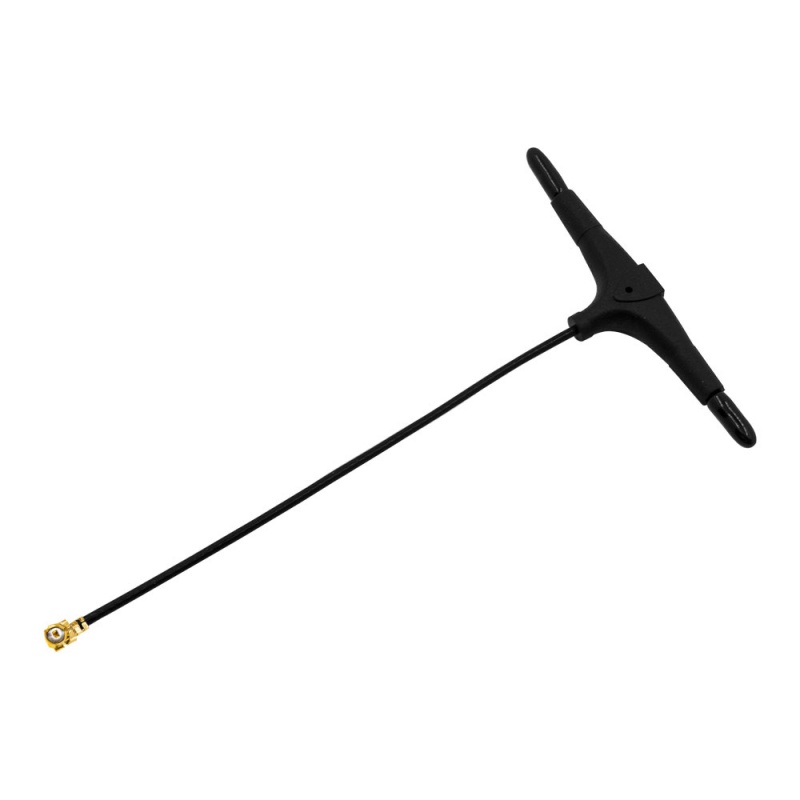
Most common and cheapest. Small, but gain and polarization stability are mediocre. Good for beginner drones or backups.
4.Which parameters affect an antenna?
4.1 Gain
Gain represents the degree to which an antenna concentrates energy. Higher gain is not always better; we have compiled a reference table to assist you in selecting the gain value that best suits your specific needs.

4.2 Polarization Modes: Linear Polarization and Circular Polarization
Regarding polarization—this is a concept that many beginners find confusing. Simply put, polarization refers to the "direction of vibration" of the electromagnetic waves transmitted by an antenna.
The most common forms are vertical and horizontal polarization. Advantages: simple structure and low cost. Disadvantages: as the drone's attitude changes during flight, the antenna angle shifts accordingly, resulting in significant signal fluctuations.
The electromagnetic waves emitted by a circularly polarized antenna rotate in a spiral pattern. Advantages: Regardless of how the drone maneuvers, the signal remains relatively stable provided that both the transmitting and receiving ends rotate in the same direction (either right-hand or left-hand). Disadvantages: They are slightly more expensive, and left-hand and right-hand polarized antennas cannot be mixed.
5.Wrap up
This article introduces the function, basic types, and key parameters of drone image transmission antennas, hoping to help you find the right antenna for your needs.
If you are developing a new drone project or looking for a reliable antenna supplier, please feel free to contact us. Instead of randomly selecting options online, let our engineers help you evaluate them directly.
About Us: Yingshun Communication Technology Co., Ltd. specializes in antennas, RF adapters, and RF connectors. Please contact us if you have any custom drone antenna needs.
This guide is based on our own experience using and testing various antennas, and we hope it will be helpful to you.
Author: Wang Xu (Engineer at Yingshun Communications)
Date: April 25, 2026