

Using accessible language, I will guide you through the fundamentals of combination antennas—covering what they are, their common classifications, typical application scenarios, and core advantages. This guide is ideal for procurement specialists, engineering personnel, and industry newcomers.
1.What Is a Combination Antenna?
Simply put: packaging two or more antennas—each serving a different function or operating in a different frequency band—within a single housing to form a unified unit is what is known as a combination antenna.
A combination antenna integrates signals from multiple frequency bands into a single unit; these signals do not interfere with one another, yet each functions normally.
The image below is a photograph of the antenna that we took ourselves:


2.Common types of combined antennas
Based on our experience, we mainly categorize combined antennas into the following types to facilitate selection in different industries:
2.1 Car Combination Antenna
The Most Mainstream: 4G/5G + GPS + WiFi 3-in-1 Antenna—widely used in fleet management, logistics trucks, and new energy vehicles.
Additionally: AM/FM Radio + GPS (or BeiDou GNSS) + Bluetooth/Wi-Fi.
2.2 Industrial IoT Combination Antenna
4G/5G + WiFi + Bluetooth:Suitable for complex industrial sites, such as large-scale warehousing and logistics facilities or smart workshops.
4G/5G + GNSS:Widely used in asset tracking, remote meter reading, and industrial gateways.
LoRa/NB-IoT + GPS:Application Scenarios: Oil pipeline pressure sensors, forest environmental monitoring stations, etc.
2.3 UAV Combination Antenna
2.4 GHz (Remote Control Reception) + 5.8 GHz (Video Transmission)
Multi-frequency GNSS (L1/L2/L5 BeiDou/GPS) + 4G/5G Data Transmission + 2.4G WiFi
Combined antennas are suitable for a wide range of industries; as we have not listed them all here, please feel free to contact us for further inquiries.
3.Why are combination antennas necessary? What are their advantages?
Simply put: modern smart devices are becoming increasingly smaller, yet require more and more functionality.
Take mobile phones, for instance: they need to simultaneously support GPS positioning, 4G/5G connectivity, Wi-Fi hotspots, and Bluetooth; standard antennas simply cannot fit within such a compact form factor.
Advantages of combination antenna:
3.1 Save space
One antenna replaces many, which is a huge relief for internal device layout. In tiny devices like drones and smartwatches, the space saved can determine whether a product is even feasible.
3.2 Better appearance
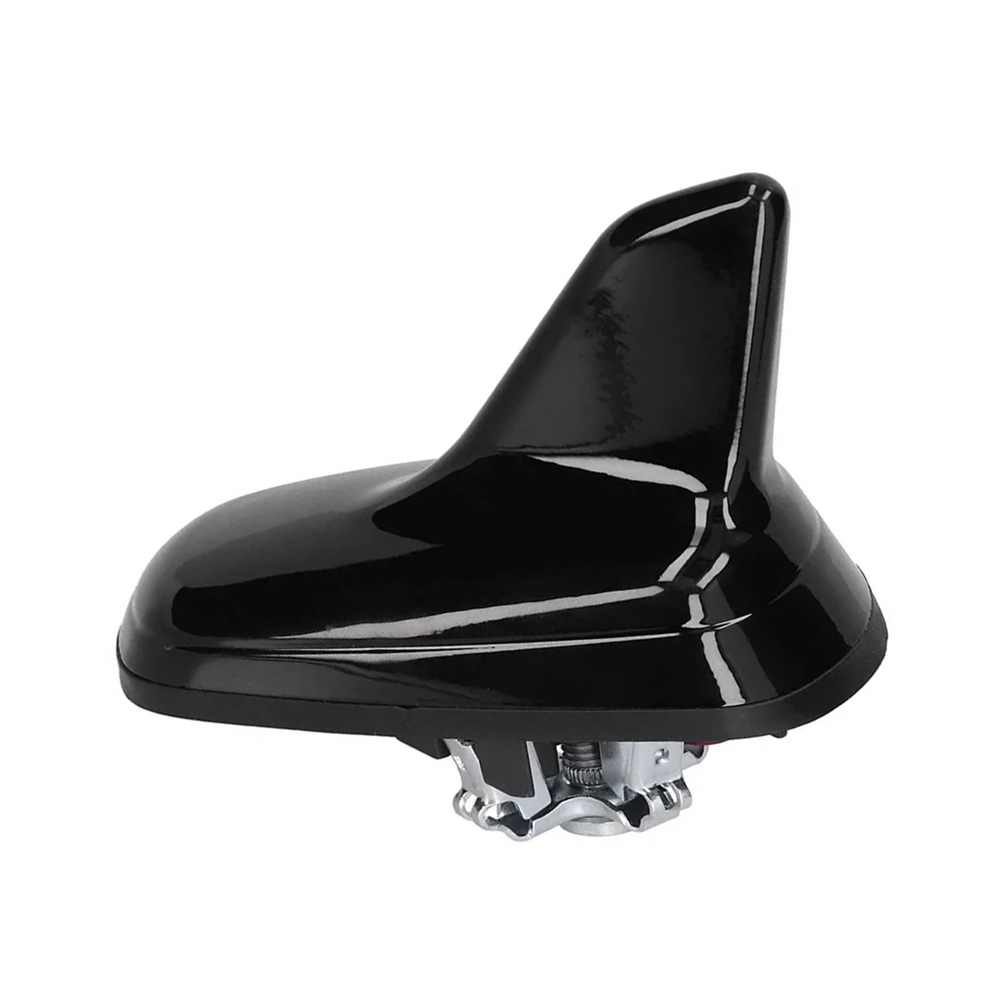
For instance, a vehicle-mounted shark-fin antenna is far more aesthetically pleasing than a cluster of rod-shaped antennas.
3.3 Reduce cost
The material cost of a combination antenna is typically lower than the combined cost of multiple separate antennas. Moreover, installation is a one-step process, and assembly time on the production line is significantly reduced.
4.How to Choose a Combo Antenna?
If you are selecting a combination antenna for your smart device, we recommend following these steps:
4.1 What features does your device require?
GPS+4G? GPS+4G+WiFi? Or WiFi+Bluetooth? List the essential features.
4.2 Confirm frequency bands
Different countries and carriers use different bands. Which bands does the 4G antenna need to cover? GPS – L1 only or L1+L2? These need to be decided upfront.
4.3 Determine how much space the antenna will occupy.
How much space inside your device can be allocated to the antenna? What are the height restrictions? This determines what size and form factor the antenna can take.
4.4 Consider the environment
Is the antenna to be installed outdoors or indoors? Does it require waterproofing? Does it require corrosion resistance?
5.Application Scenarios for combination antennas
5.1 Cars and vehicles
The shark fin antenna located on a car's roof is the quintessential example of a combination antenna. Within this compact unit, functions such as GPS, 4G/5G, Wi-Fi, and radio reception may all be integrated.
5.2 Drones
5.3 Smart Home Devices
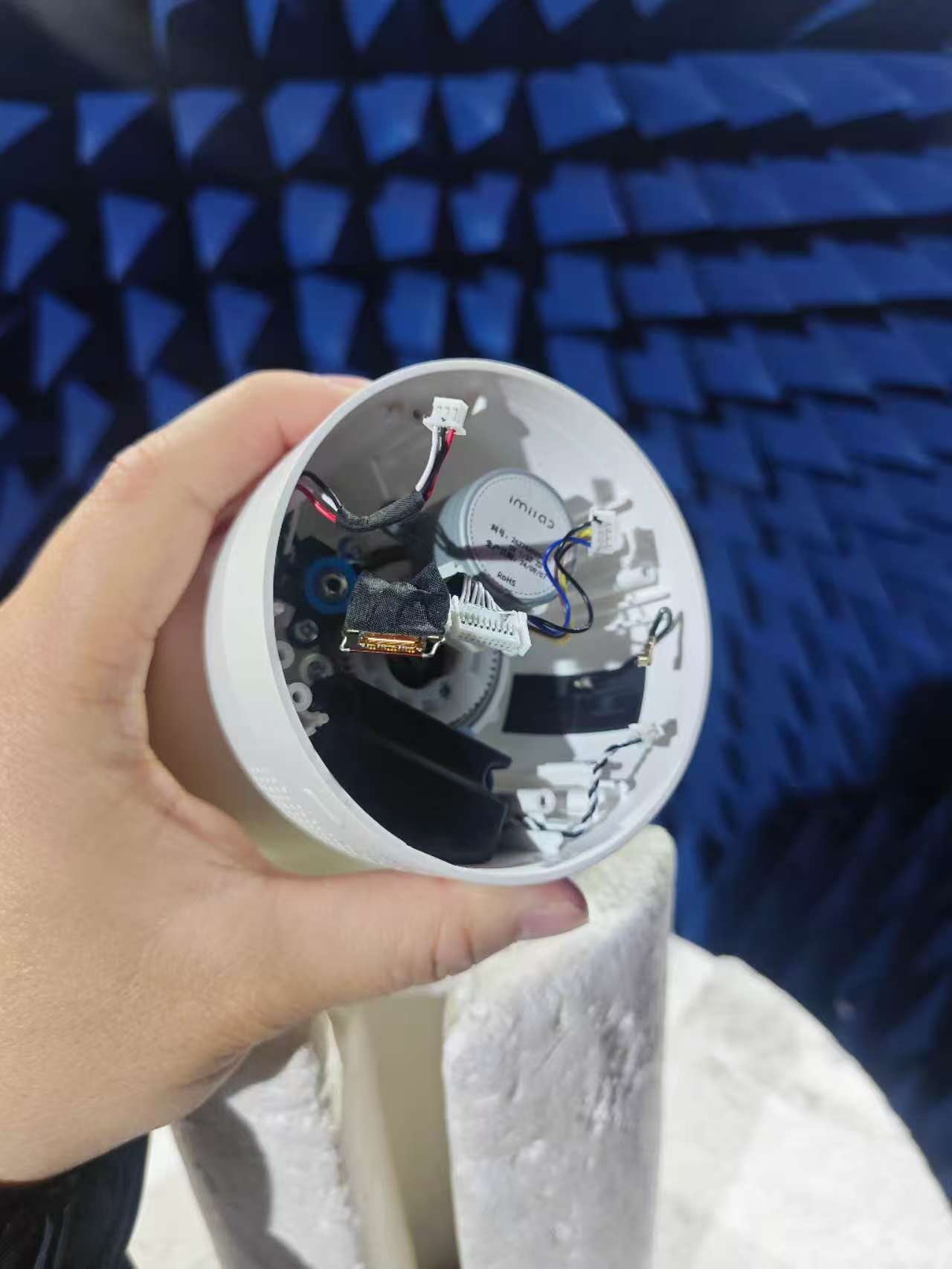
Smart speakers, security cameras, and gateways often need WiFi, Bluetooth, and sometimes Zigbee. Combo antennas let them be smaller and better looking.
The camera shown below features internally installed dual-band Wi-Fi and Bluetooth antennas.

5.4 Other IoT Devices
For devices such as shared bicycles, smart electricity meters, smart water meters, and smart robots—which require both positioning and communication capabilities—a combination antenna is the optimal choice.
6.Summary
As smart devices become increasingly compact while simultaneously requiring an ever-expanding array of functions, the advantages of integrated antennas have become evident; indeed, integrated antennas are poised to become even more intelligent in the future.
Yingshun Communication Technology Co., Ltd. specializes in the R&D, design, and manufacturing of various antennas, RF adapter cables, and RF connectors. We offer customized services for a wide range of combination antennas—including GPS+4G, 4G+WiFi, and GPS+4G+WiFi configurations—and welcome you to contact us.

This article is based on years of antenna design and customer service experience from the YST Communication engineering team. Hope it helps you better understand combo antennas. Questions? Feel free to reach out.
Author: Wang Xu (Yingshun Communications Engineer)
Date: April 29, 2026