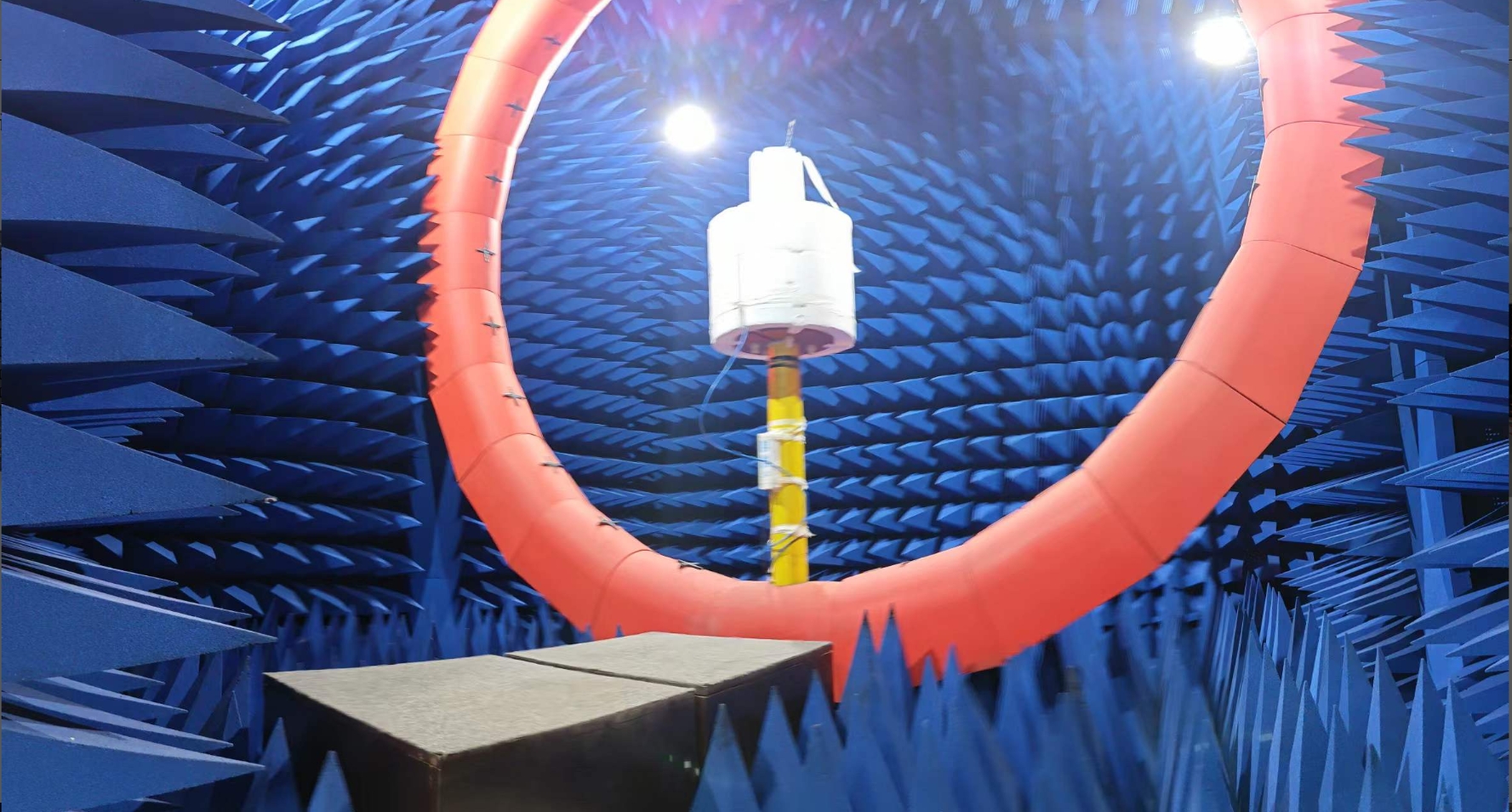
This article will introduce you to an antenna commonly used in daily life – the FPC antenna.
Author: Wang Xu (Yingshun Communications Engineer)
Date: April 30, 2026
1. What Is an FPC Antenna?
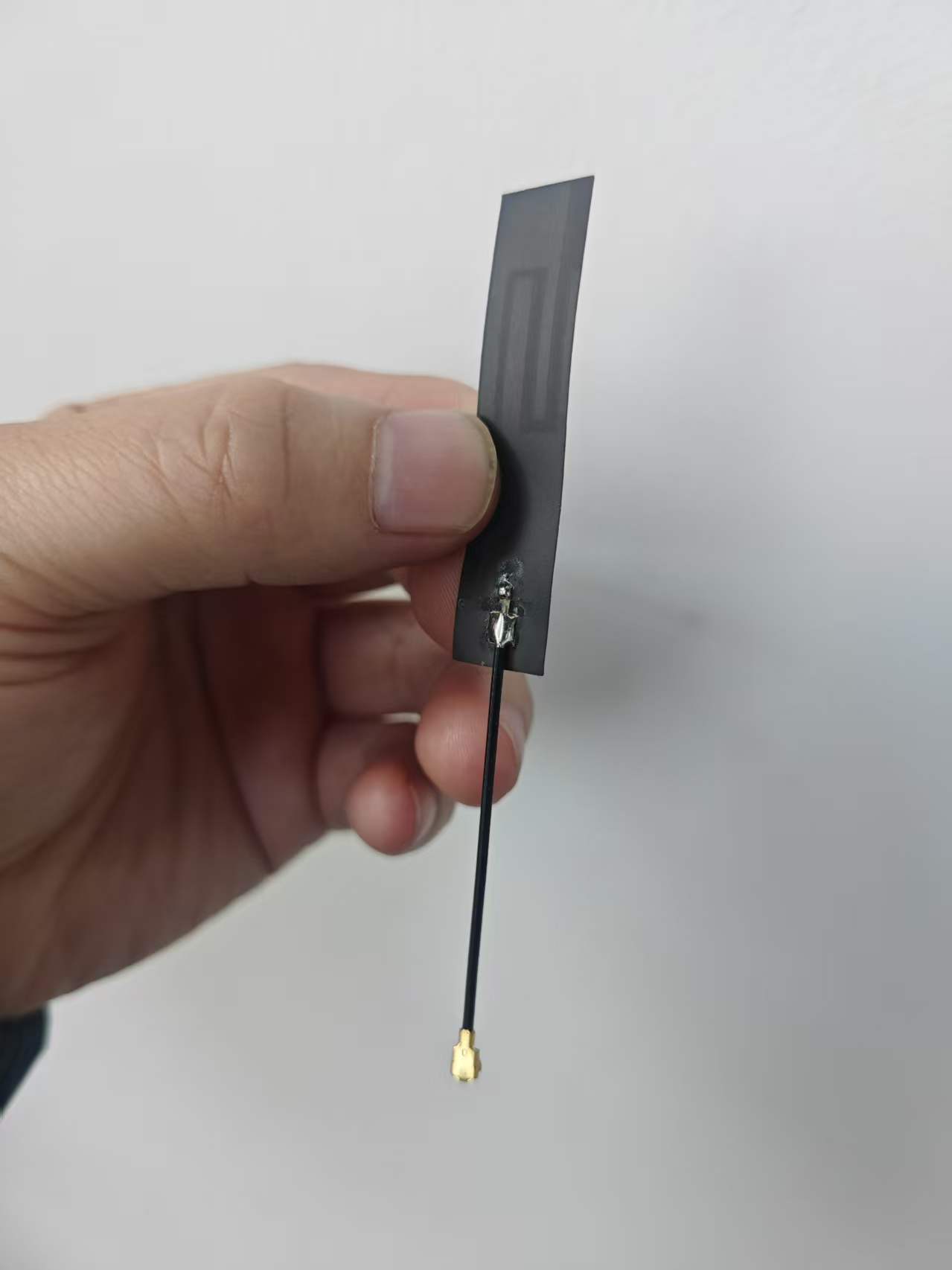
FPC antenna, short for "Flexible Printed Circuit Board Antenna".It is a thin and lightweight built-in antenna in which the antenna radiating element is directly fabricated on a flexible insulating substrate.
Simply put: FPCB antenna = a flexible "antenna printed on a flexible circuit board".
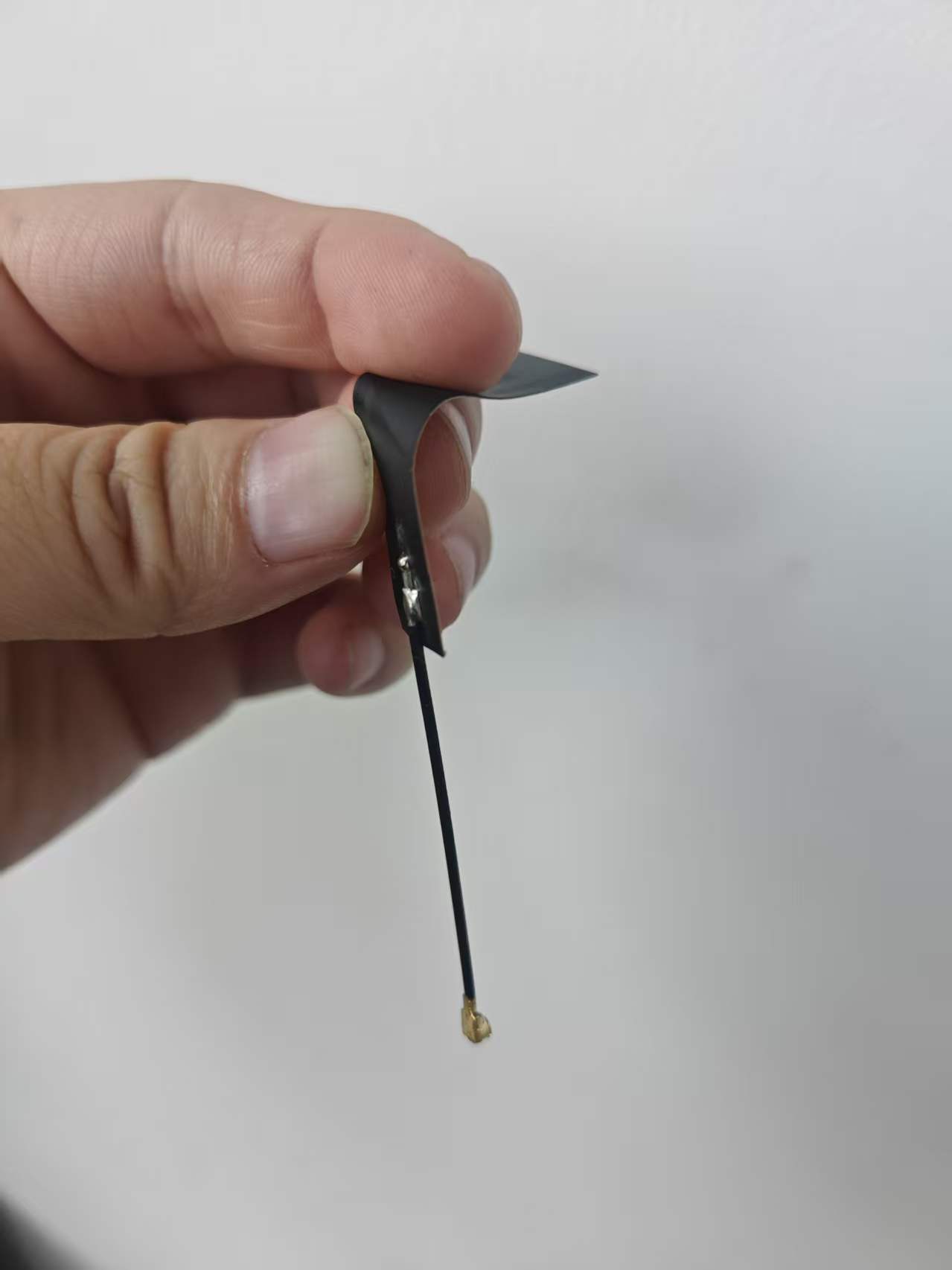
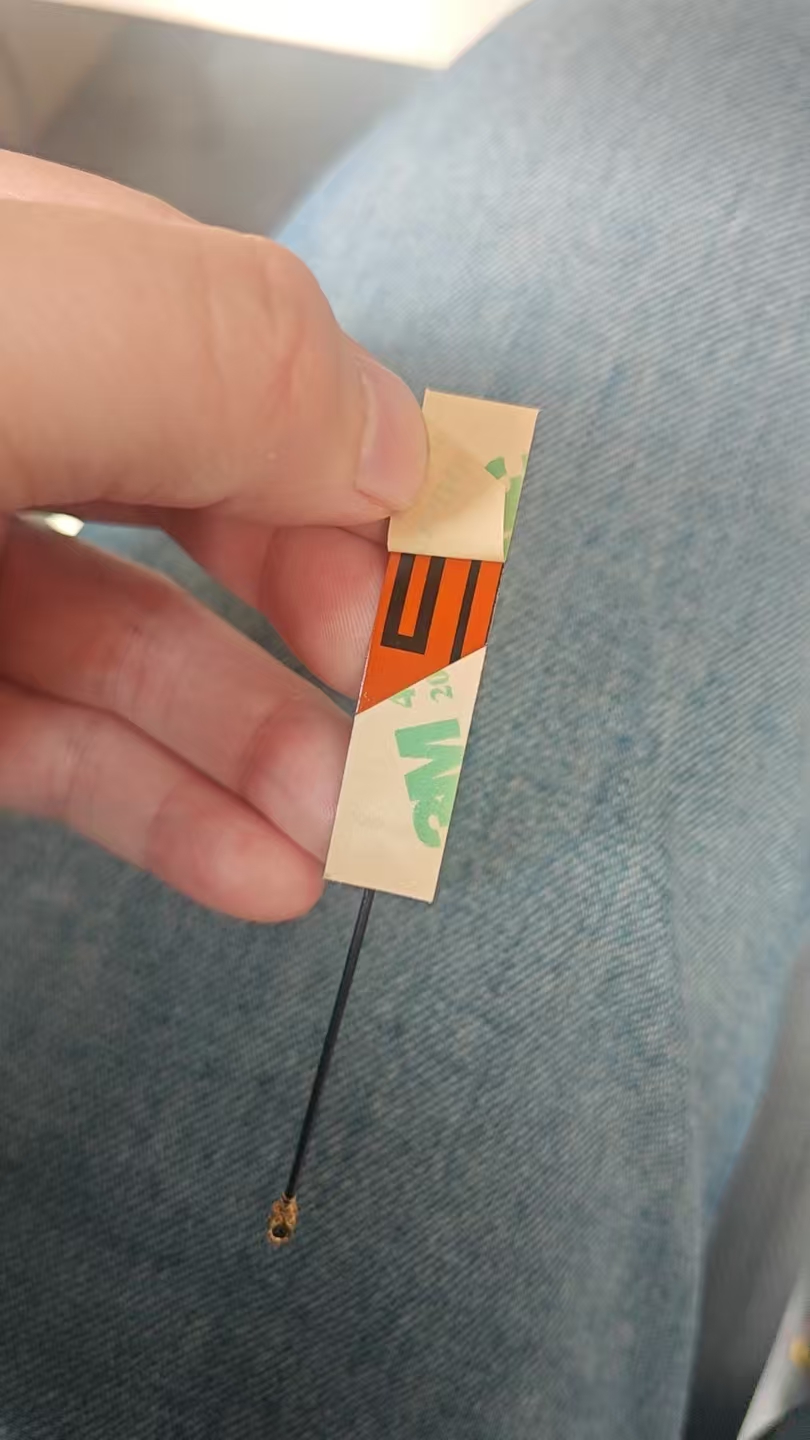
The image below is a real photograph of an FPC antenna:
2.Advantages of FPC antennas
FPC antennas have many advantages over other traditional antennas. Below is a summary based on our practical experience.
2.1High space utilization efficiency
FPC antennas are very thin and flexible, typically only 0.05–0.2mm thick, allowing them to bend and fit into the curved surfaces or corners of smart devices, making full use of the device's internal space.
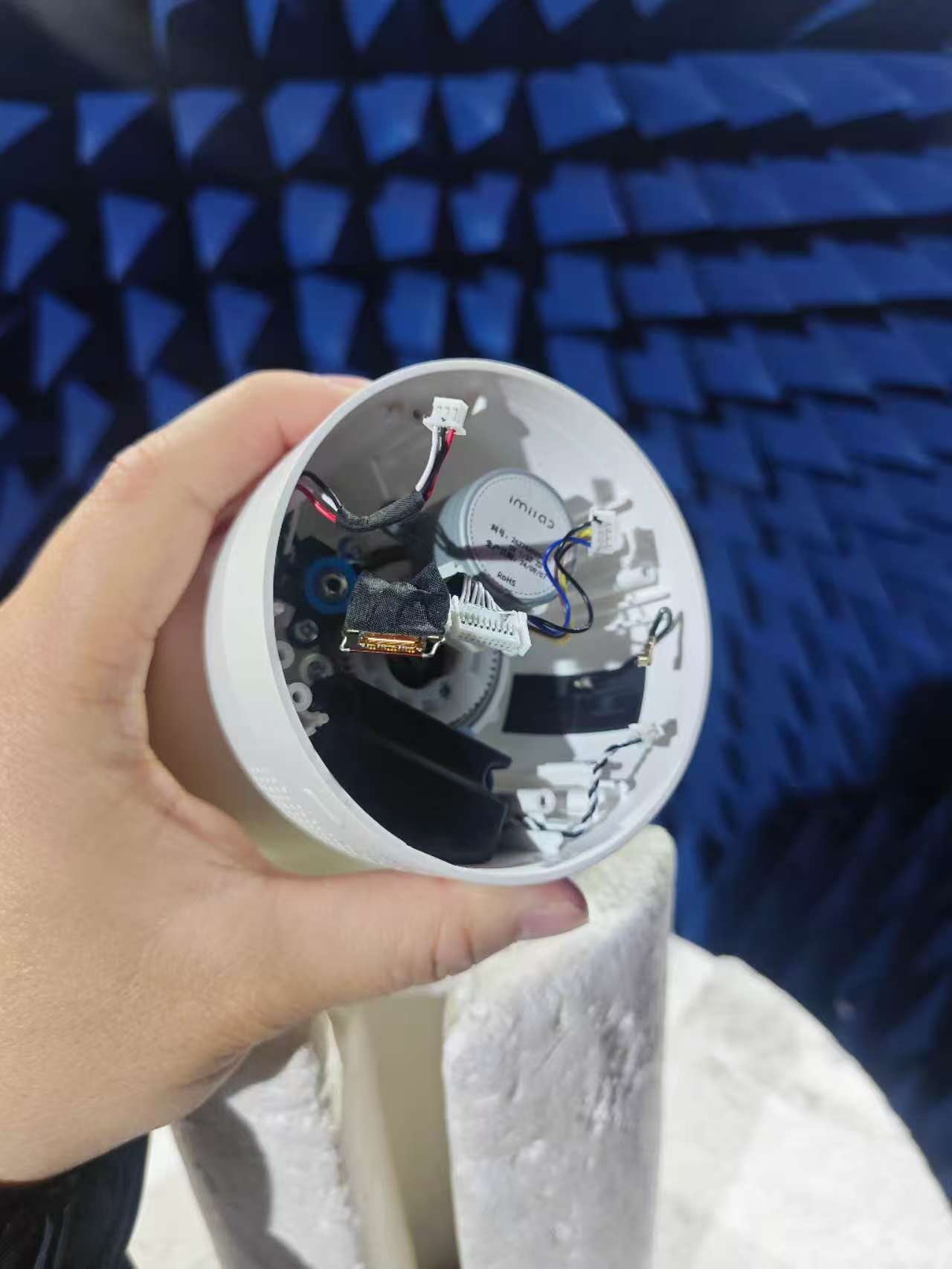
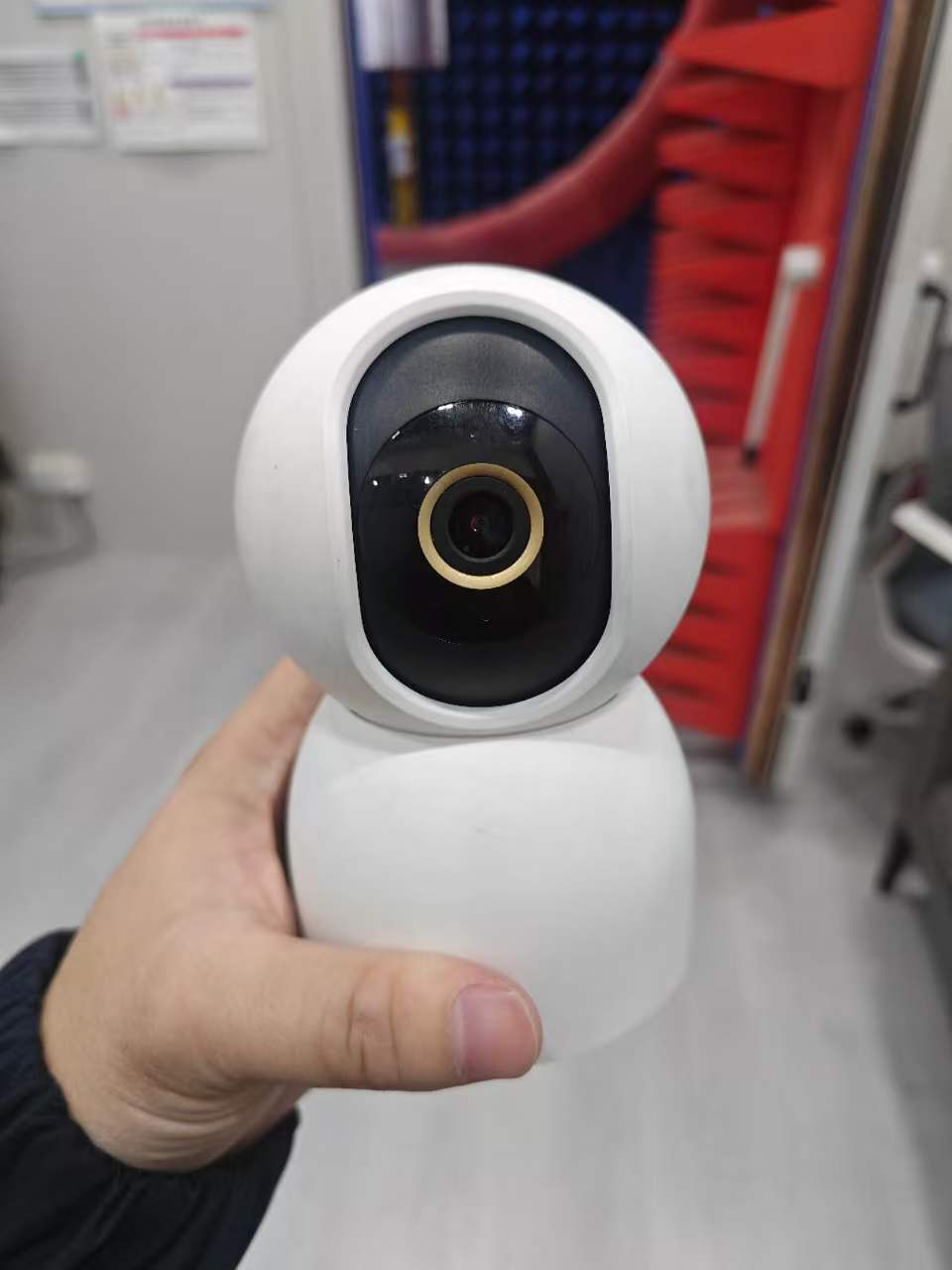
Our engineers designed a very compact FPC antenna for a customer's surveillance camera product. The image below is a real-life example.
2.2 Easy to install
The FPC antenna features a self-adhesive backing, making its installation remarkably simple and foolproof: one merely needs to peel off the protective film and affix the antenna to the designated location. Compared to other types of antennas, the FPC antenna significantly lowers the requirements for the assembly process.
2.3 High Radiation Efficiency
Antenna radiation efficiency is of critical importance for smart devices; some high-performance FPC antennas achieve a radiation efficiency exceeding 90%. Simply put, for a given size, FPC antennas are capable of covering greater distances.
2.4 Supports Multiple Frequency Bands
The FPC antenna supports single-, dual-, and multi-band operation, capable of covering mainstream wireless frequency bands ranging from 100 MHz to 6 GHz.
For instance, many smart home devices require the 2.4 GHz and 5 GHz frequency bands—or even 2.4 GHz, 5 GHz, and Bluetooth—necessitating the coexistence of multiple bands; this is one of the key advantages of FPC antennas.
3.Common Applications of FPC Antennas
FPC antennas are frequently utilized in daily life and rank among the most cost-effective antenna solutions available; we have compiled a summary of various scenarios in which they are employed.
3.1 Consumer Electronics
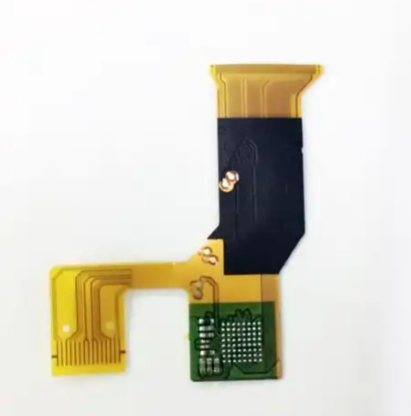
Devices such as mobile phones, tablets, laptops, smartwatches, and smart cameras all utilize FPC antennas.
3.2 IoT Devices
For example, smart electricity meters, smart water meters, smoke detectors, access control systems, sensors, positioning tags, etc.
3.3 Smart Medical Devices
Electronic Blood Pressure Monitoring, Portable Monitoring Devices, Wearable Medical Technology, Wireless Medical Devices.
3.4 Industrial & Security
Drone video transmission, remote control technology, RFID, security cameras, industrial gateways, etc.
3.5 Automotive Electronics
FPC antennas are also seeing increasingly widespread application in automotive environments—for instance, in tire pressure monitoring, in-vehicle navigation, T-Boxes, central control systems, and autonomous driving sensors.
4. How to Choose an FPC Antenna
If your device requires an FPC antenna, we recommend selecting one by following the steps below:
4.1 First, determine the frequency
The first step in selecting an FPC antenna is to determine the frequency, as the frequency bands used by different devices vary.
2.4G Bluetooth / Wi-Fi: Smart Home, Smart Headphones, Smart Speakers, etc.
5G / 2.4G Dual-Band Wi-Fi: Smart Cameras, Tablets, Gateways.
4G/NB-IoT/LoRa: IoT Modules, Wireless Sensing, Smart Metering Devices.
4.2 Check the available installation space inside the equipment
A clear zone must be reserved for the antenna on the device: avoid placing batteries, metal casings, or motherboard shielding covers in the vicinity of the antenna whenever possible; the greater the distance from metal components, the better the signal quality.
4.3 Confirm Interface and Wiring Method
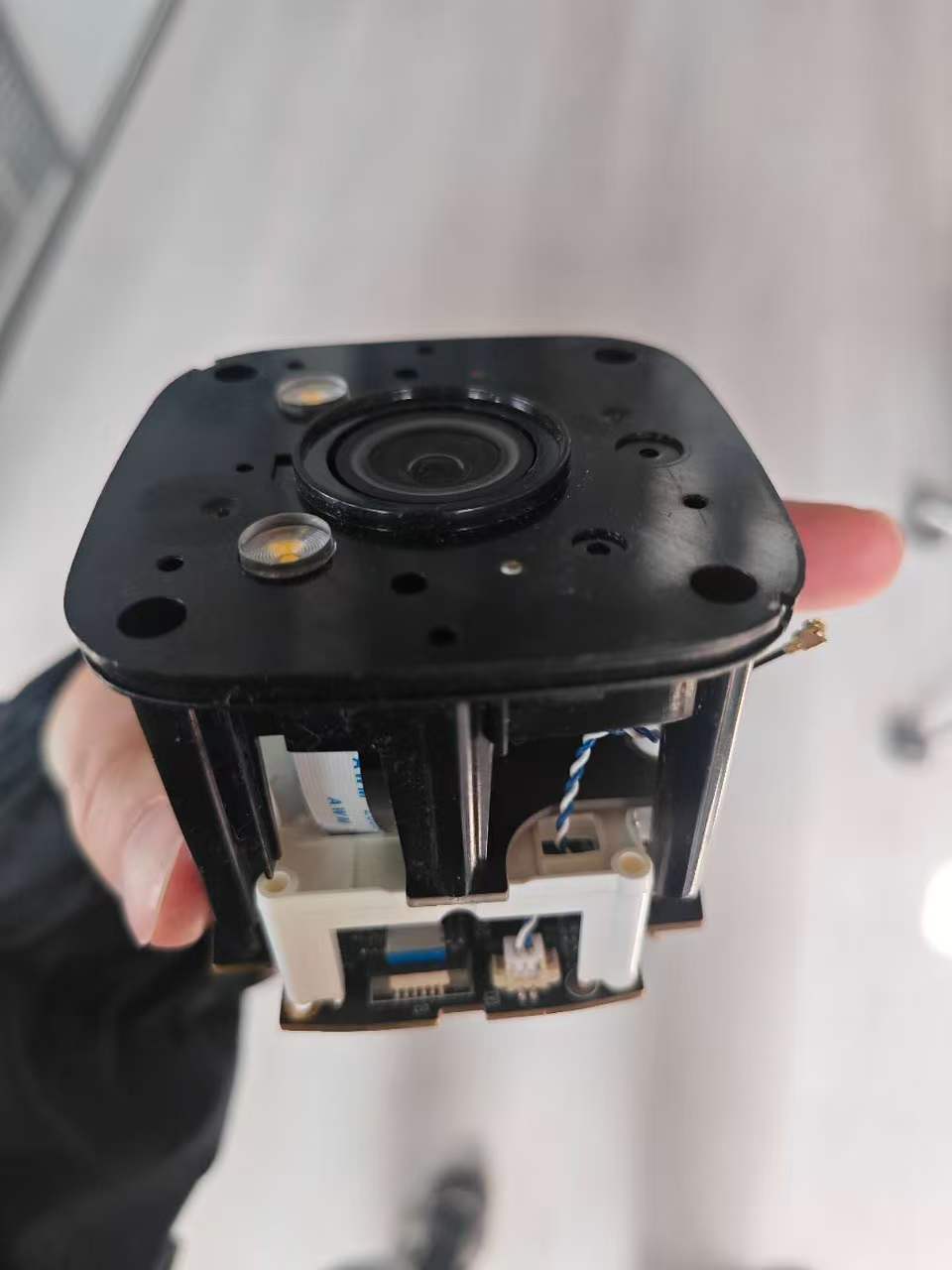
IPEX/u.FL Interface: The most widely used; common for small modules and IoT devices.
FPC Antenna with Extension Cable: For devices with dispersed internal space, requiring the cable to be routed to a distant installation point.
4.4 Custom or Standard Stock?
Your device is a standard product: it utilizes standard 2.4G, GPS, and WiFi antennas. This offers low costs and is suitable for general mass production.
If your device is unique and has very limited space, a custom FPC antenna is required to precisely match your device's dimensions.
5.Summary of Experience
Based on our engineers' experience in designing FPC antennas, we offer the following suggestions:
For equipment in small spaces, the installation location of the FPC antenna should be planned in advance. If it is not reserved during the design phase, adding it later as a "patchwork" will incur additional costs.
Do not sandwich the FPC antenna between the battery and the metal shield. If the antenna is completely blocked by the metal, the signal cannot radiate, resulting in poor signal strength in the final product. Ideally, attach it to the side of the plastic casing that is fully exposed.
If you are looking to customize a high-performance FPC antenna for your device, please feel free to contact Yingshun Communication Technology Co., Ltd. With over 10 years of experience in RF antenna design, we provide a full-process FPC antenna customization service, from requirements assessment and electromagnetic simulation to sample production and delivery.
Please click here to contact us!